Midjourney · Midjourney Essentials
Lighting
See how lighting can change your image
Transform Your AI Art with Lighting
Imagine this: you enter Midjourney with a strong subject in mind, but the output feels flat. The shapes are there, yet the emotion is missing. Often, the missing ingredient is lighting — the element that quietly controls depth, mood, and realism.
Today, you'll explore how small lighting choices change the story your image tells.

Lighting isn't just about brightness — it's what shapes emotion and focus.
Let's look at how direction, shadows, and intensity help your images tell a story, step by step.
practice preview
Interactive practice
Fill in the blank
Specify the direction of light in your prompt.
Choose one
What effect did the side light bring to the image?
practice preview
Interactive practice
Fill in the blank
Switch the direction of light in your image.
Choose one
What changes did you notice this time?
See? Even small shifts in the direction of light can completely change the focus and emotion.
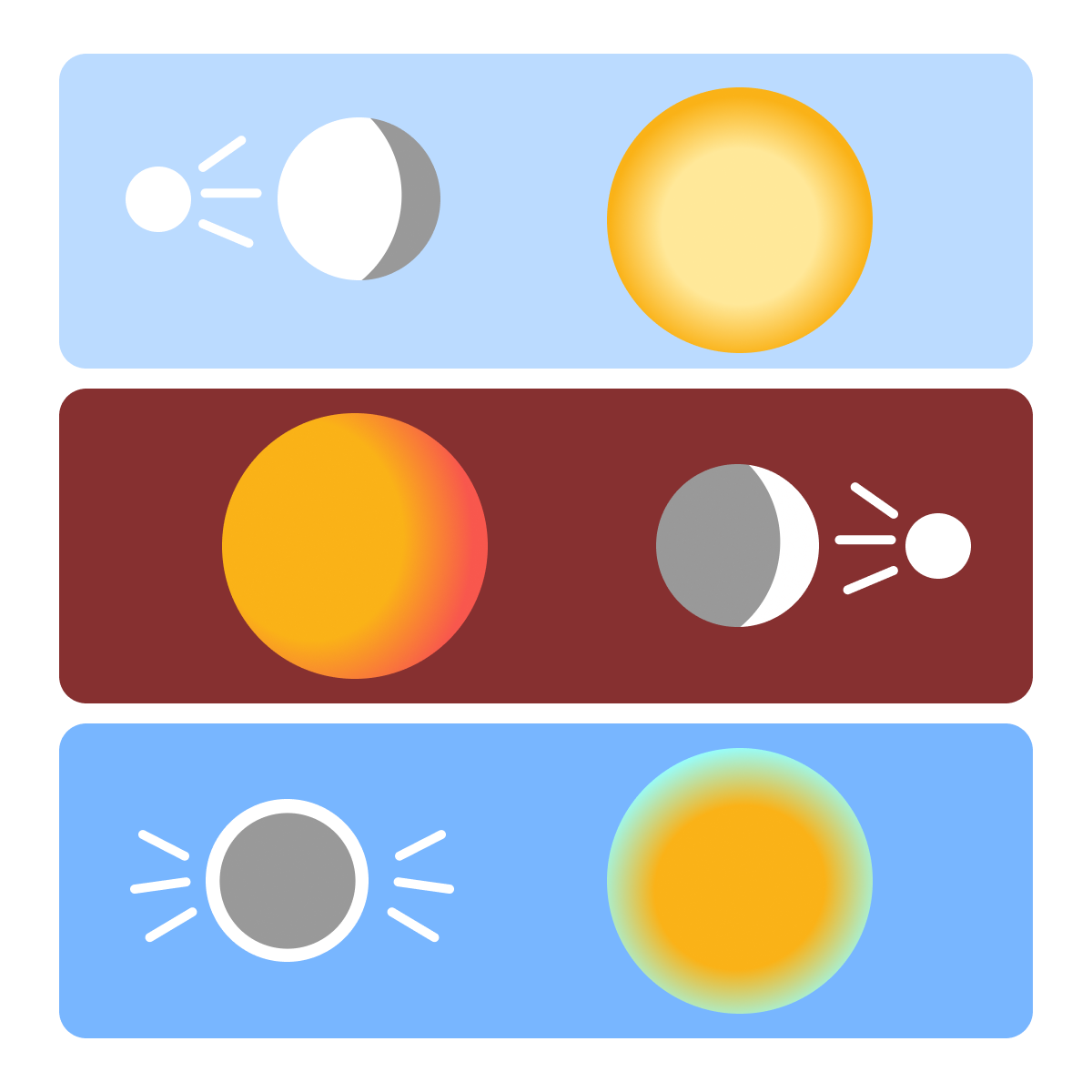
Front light:
- Even illumination with minimal shadows
- Creates a clean, clear, low-drama look
- Adds shadows, contrast, and depth
- Creates a more dramatic, textured feel
- Produces glow or silhouette effects
- Adds atmosphere and separates subject from background
Using Shadows
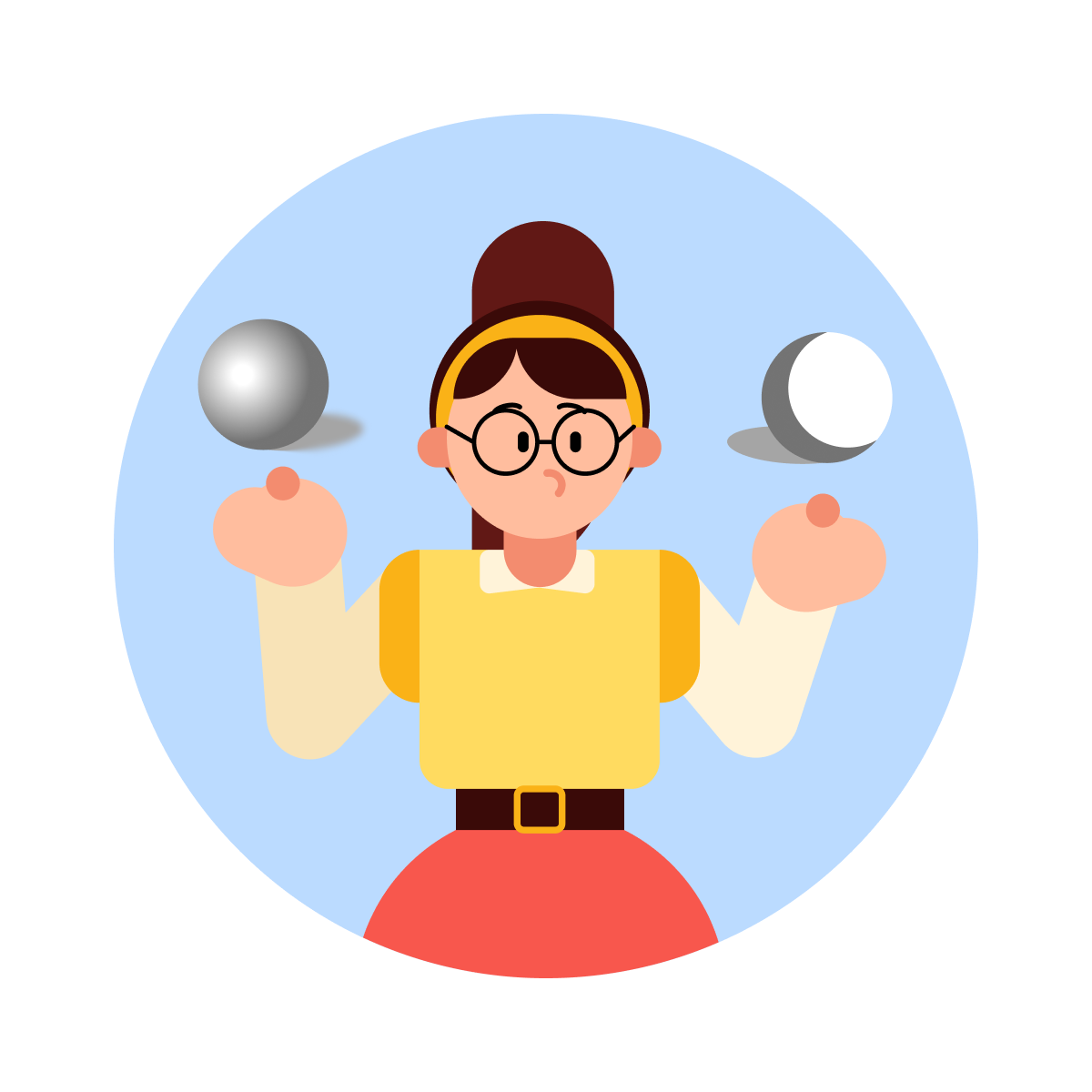
Shadows reveal structure and balance — and without them, even the best composition feels flat.
Try changing the shadow length or contrast to see how the mood transforms!
practice preview
Interactive practice
Fill in the blank
Add shadow effects to your image.
practice preview
Interactive practice
Fill in the blank
Now, experiment with varying shadow effects in your image.
Choose one
Which group of images feels more gentle and natural?
Soft shadows:
- Created by large, diffused light (cloudy sky, softbox, indirect light)
- Make the image feel gentle, natural, and low-contrast
- Created by small, direct light (sunlight, spotlight)
- Add strong contrast, drama, and crisp definition
Short shadows:
- Light comes from high above
- Creates a clean, bright look with minimal mood or drama
- Light comes from low on the horizon
- Adds depth, direction, and a dramatic or cinematic feel
Experimenting with Intensity
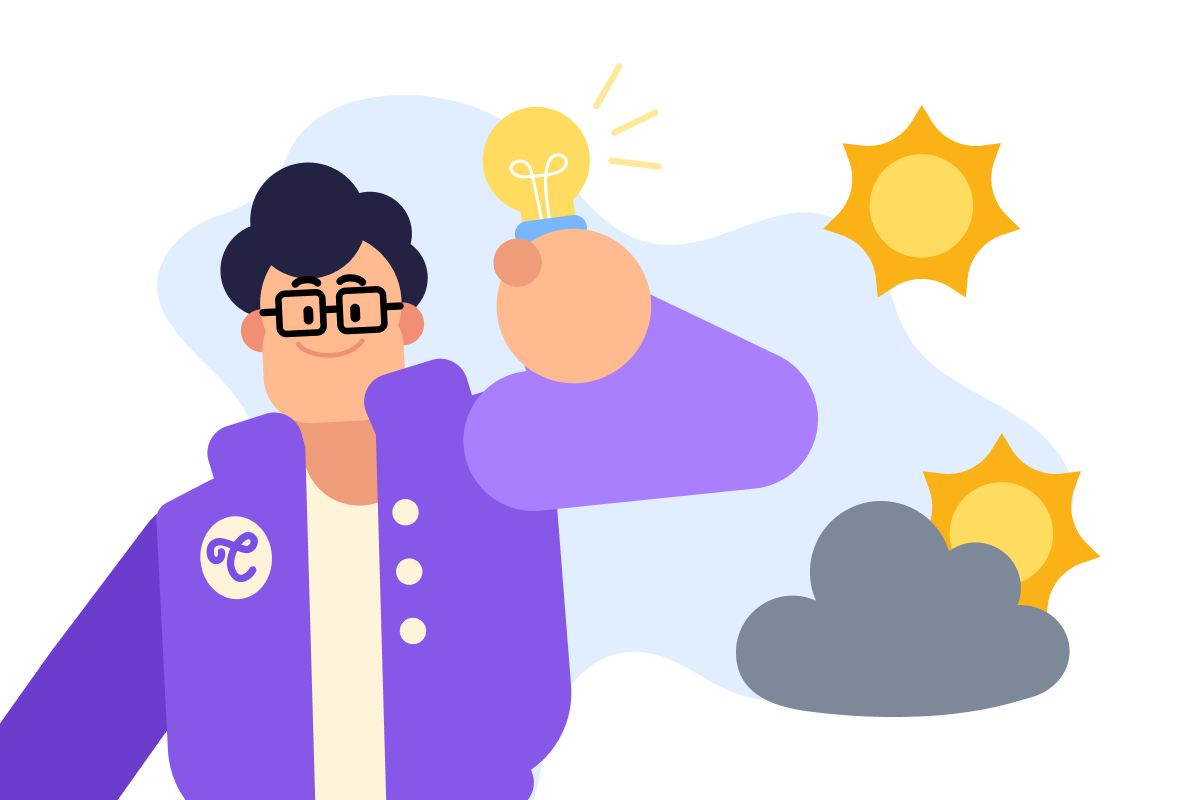
As your next step, consider the intensity of the light — it changes mood faster than any filter!
Too strong, and you lose detail. Too dim, and you lose the story.
Test everything — harsh sunlight, foggy dusk, candlelight glow. You'll see how brightness shifts emotion from warm and welcoming to eerie or powerful.
practice preview
Interactive practice
Fill in the blank
Specify the intensity of light in your image.
practice preview
Interactive practice
Fill in the blank
Twist the intensity of light in your image.
Practicing with Lighting Effects
Ready to put it all together? Let's combine what you've learned — direction, shadows, and intensity.
practice preview
Interactive practice
Fill in the blank
Create an image with a set of lighting effects.
Refining Your Lighting Prompts
See what we did there?
We didn't define the light intensity explicitly, but we mentioned the time of day, and Midjourney made the light intensity appear like it would at sunset.
You can actually describe lighting without even using the word "light" — "during the sunset" says a lot already. Think "under neon signs," "golden hour portrait," "misty forest at dawn."
Select all that apply
Which of the following techniques can subtly enhance lighting in your Midjourney prompts?
- Direction shapes emotion: front light softens, side light adds drama and depth, backlight creates atmosphere and silhouettes.
- Shadows add realism: soft shadows feel gentle and natural; sharp shadows add contrast and drama. Length changes mood too — short shadows read bright and clean; long shadows feel cinematic.
- Intensity sets the tone: bright light feels open and confident; dim or diffused light feels moody or mysterious.
- You don't need the word "light." Cues like "sunset," "candlelight," or "misty forest at dawn" tell Midjourney everything it needs to know.
One More Lesson Done!
You've just learned how to use lighting to shape depth, tone, and emotion. Direction defines focus, shadows add realism, and intensity builds atmosphere.

Next Steps
Next up — elements that affect your image's composition: image size and angle of view. Time to make your light work with your layout.
Stay creative, and see you soon!