Communicating With AI · From Prompts to Reliable Results
Asking Better Questions
Guide AI toward deeper, more useful answers
The Question Changes Everything
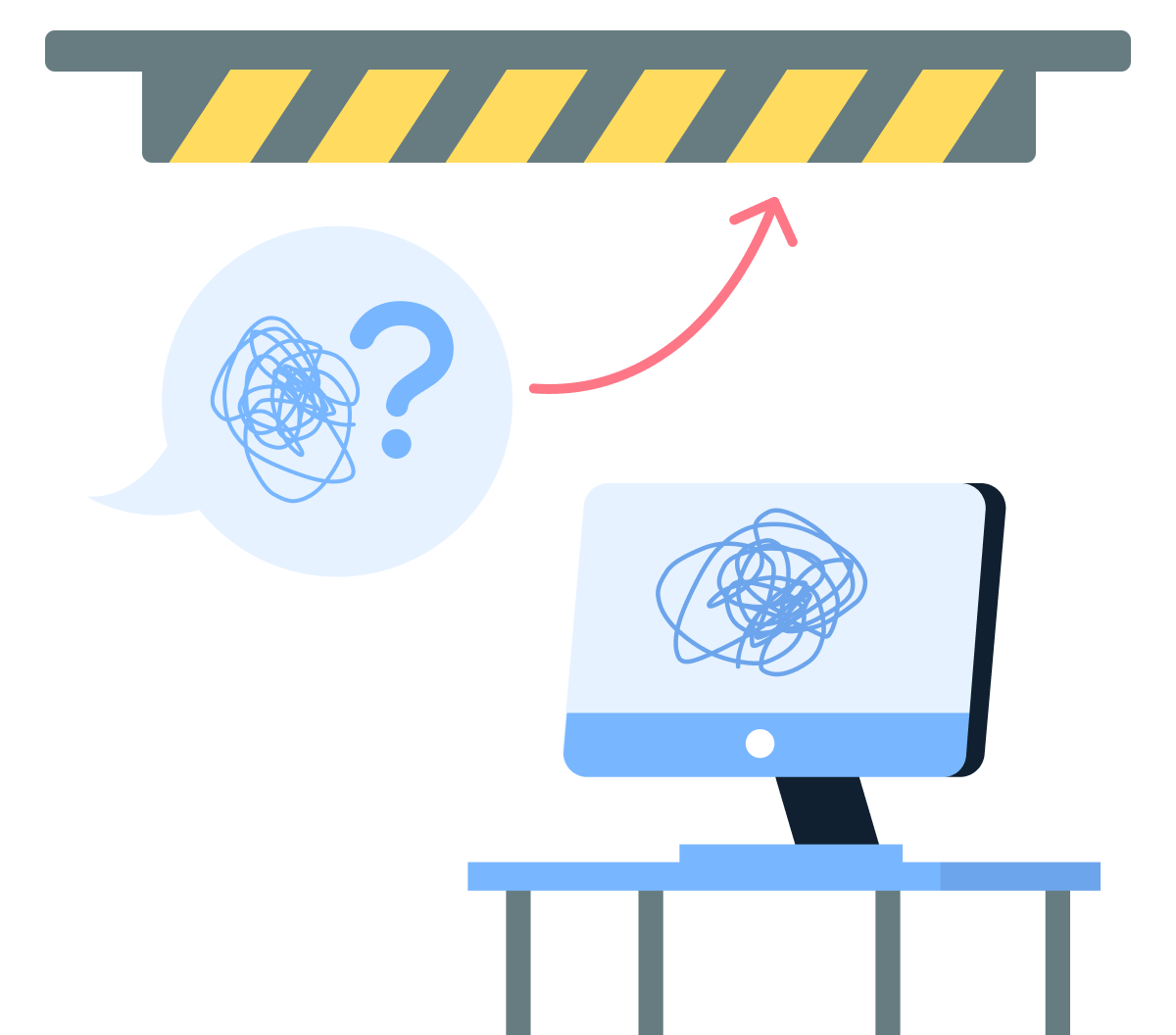
Imagine asking a new colleague for help and getting something completely off. You'd probably rephrase — not find a new colleague. Communicating with AI works the same way: when the response misses, the fix is almost always in how you asked, not who you asked.

Not All Questions Are Equal
AI responds to the shape of your question, not just the topic. Ask for a definition, and you get a definition. Ask why something works the way it does, and the whole response changes.
Most people default to "what" questions. Surely, they get information back — a definition.
What's important to understand is that a question like "What is a healthy morning routine?" won't get you an analysis of why certain habits work better for your schedule, or a plan built around your specific situation.
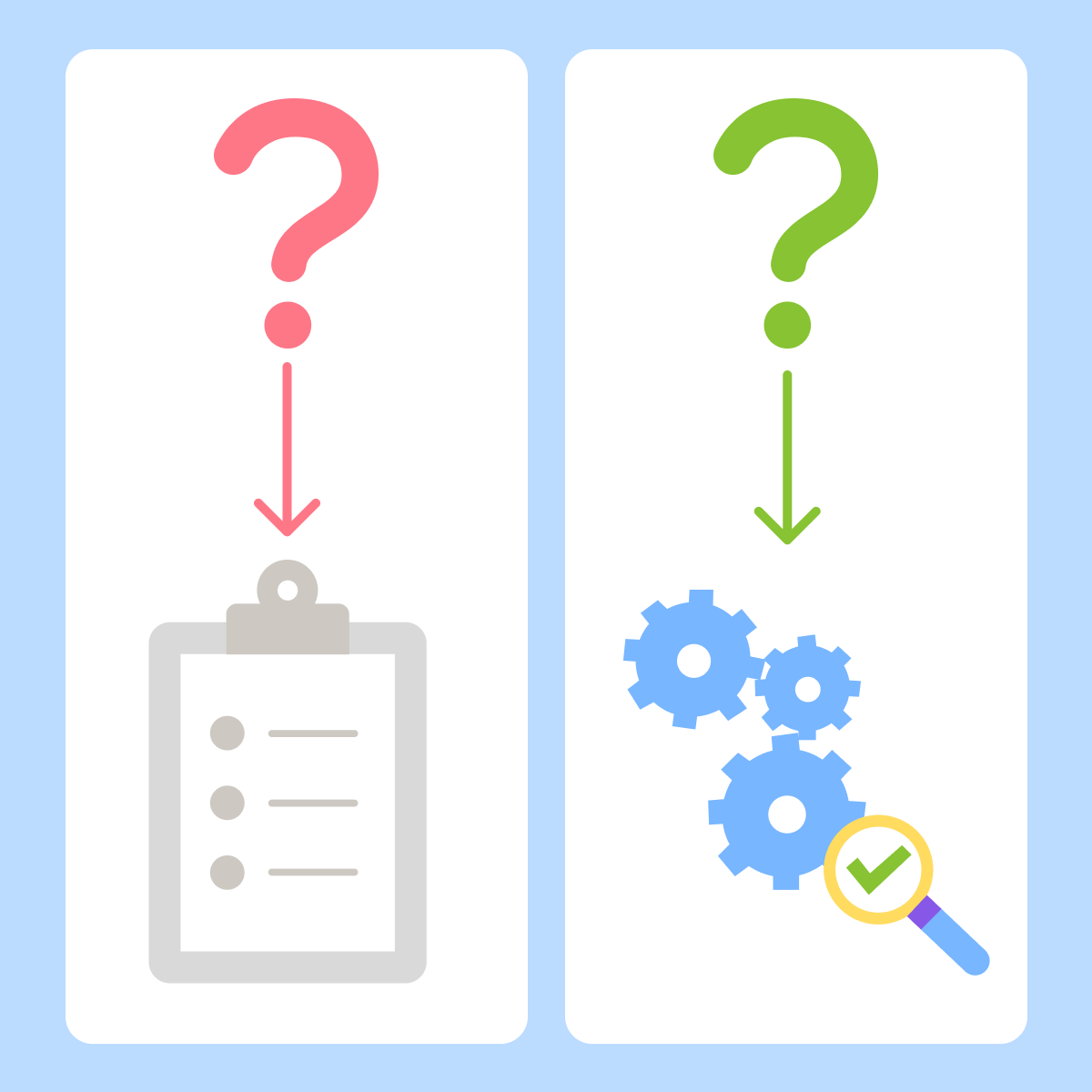
That's because "what" tells the AI to retrieve and describe, not to reason or plan. The question type sets the ceiling on the response.
practice preview
Interactive practice
True / False
Does this question ask for information or trigger deeper reasoning?
Swap "what" for "why" or "how," and the same topic produces a completely different response.
"How" Works the Same Way
"How" questions trigger process analysis — they ask the AI to explain mechanisms, not just describe them.
- "What are project management tools?" → a list
- "How do project management tools reduce miscommunication in remote teams?" → cause-and-effect analysis
The pattern holds across any field. A marketer asking "how does audience segmentation affect email open rates" gets more actionable insight than "what is audience segmentation." A job seeker asking "why do some CVs get filtered out before a human sees them" gets more useful advice than "what makes a good CV."
Choose one
Let's say you want to understand how online advertising works. Which question gets you deeper insight?
One Question at a Time
There's a second thing that shapes how well AI communicates back to you: scope.
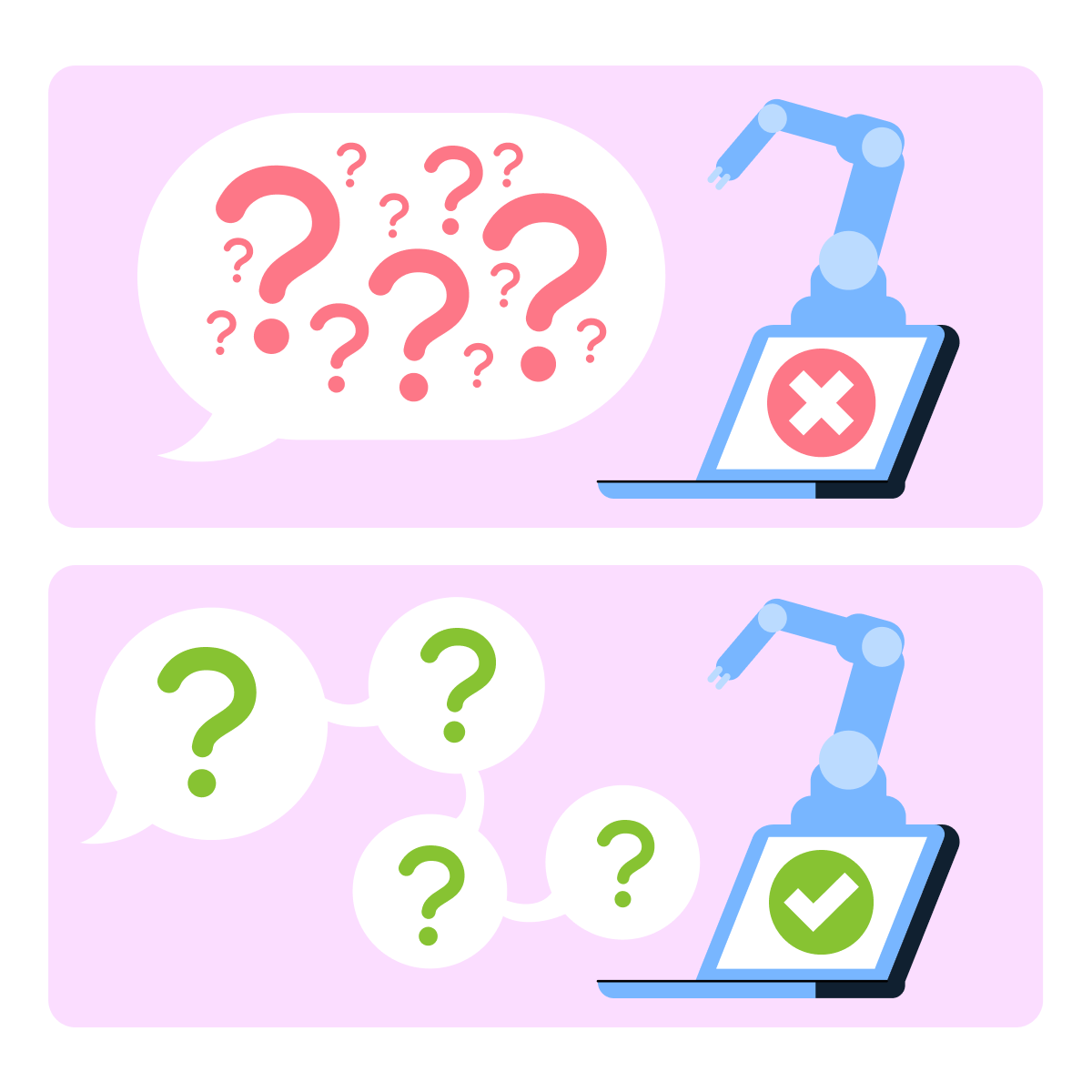
The more a single prompt tries to cover, the less the AI can focus — and unfocused AI responses are hard to use.
Compare these two approaches to researching a business idea:
Overloaded: "Tell me about marketing, pricing, and customer service for a new business and how they work together."
Focused: "Why do early-stage businesses often underestimate the role of pricing in customer perception?"
The first gets a scattered overview. The second gets an actual insight.
practice preview
Interactive practice
True / False
Is this prompt focused enough to get a useful response?
The fix is simple: ask one thing at a time. If you have multiple questions, send them separately and build on each answer before moving to the next.
Researching a career change? Start with "why do professionals in my field typically transition into adjacent roles" before asking "what skills transfer most directly from UX design to product management."
A teacher planning a curriculum: "why do students disengage during independent reading" before "how can classroom discussion improve reading comprehension." Each question earns its own answer.
Select all that apply
Which of these questions would trigger deeper reasoning from an AI tool?
Putting It Together
You now have two levers for better responses: question type and question focus.
- Use "why" or "how" to go deeper.
- Keep each question to one thing at a time to go further.
The same sequencing logic works for any goal. Start with why something happens, move to how it works, then ask what to do about it. Each question builds on the last — and the AI's responses compound accordingly.
practice preview
Interactive practice
Match pairs
Tap a left item, then a right item to match.
You haven't changed the topic, the tool, or the amount of effort. You've only changed how you asked. That's what controls whether you get a list or an insight, a surface answer or something you can actually use.
Questions aren't just how you start a conversation with AI — they're how you steer it. The framing you choose determines whether the AI reasons, retrieves, or plans. That's not a small difference.
- "What" questions retrieve information: Use them when you need definitions, lists, or overviews.
- "Why" and "how" questions generate insight: They push the AI to analyze causes, compare outcomes, and explain mechanisms.
- One focused question beats several mixed together: Ask separately and build progressively.
- Depth is in the framing, not the topic: The same subject produces completely different responses depending on how you ask.
What's Next?
You know how to go deeper with a single question. In the next lesson, you'll learn how to chain questions together into a workflow — so AI helps you think through a problem from start to finish, not just answer one thing at a time.