AI for Accountants · AI Applications in Accounting
Tax Research & Review
Accelerate tax research with structured verification
Tax Research & Review
Tax research eats hours: cross-referencing rulings, chasing recent updates, checking whether last year's answer still holds. AI can compress that first pass to minutes — surfacing regulations, flagging what changed, and drafting structured summaries you can verify against primary sources.
The demos in this lesson use the US federal tax code because it's the most well-documented tax system that AI has access to. The skill — how to structure the query and validate the answer — transfers to any jurisdiction. You'll see how at the end.

Why Tax Research Takes Time
Tax research is complex because regulations change frequently, interpretations vary by jurisdiction, and specific fact patterns determine applicability.
Many people often search for:
- Recent regulatory updates affecting specific deductions or credits
- Clarification on how new legislation applies to particular client situations
- Confirmation that your interpretation aligns with current guidance

Traditionally, this means navigating dense IRS publications, cross-referencing code sections, and tracking down relevant rulings — work that's necessary but time-intensive.
AI can accelerate this research phase by quickly surfacing relevant regulations and summarizing key points in plain language.
Structuring Tax Research Queries
The quality of AI tax research depends entirely on how you frame the question:
- Vague queries produce generic answers.
- Specific queries — with relevant context, jurisdiction, and tax year — produce focused, useful results.

Therefore, effective tax research prompts include:
- Specific tax topic (not "tell me about deductions" but "home office deduction rules for S-corp owners")
- Jurisdiction (federal, state-specific, or both)
- Tax year (regulations change — specify which year applies)
- Fact pattern (enough context for AI to identify relevant provisions)
Let's see how inputting a structured prompt improves research quality.
practice preview
Interactive practice
Fill in the blank
You need to research Section 179 deduction limitations. Ask Gemini to identify relevant rules and recent changes.
See how this works?
The structured prompt produced focused, actionable research — not a generic overview, but specific limitations, recent changes, and relevant code sections you can verify.
Choose one
Why does the prompt specify "2024" rather than asking about "current" Section 179 rules?
AI-generated tax research should always be validated:
- Confirm code sections. Verify cited IRC sections match AI summaries.
- Check publication dates. Ensure guidance reflects current law.
- Cross-reference IRS guidance. Compare AI summaries to official publications.
Summarizing Complex Tax Implications
Beyond finding regulations, AI can help you understand complex provisions by breaking them into clear, structured summaries.
This is particularly valuable when new legislation passes, and you need to quickly understand how it affects multiple client situations.
Gemini can take dense tax code language and translate it into structured implications:
- Who's affected
- What changed
- And what actions clients should consider.
Let's see how AI structures complex tax information.
practice preview
Interactive practice
Fill in the blank
A new tax provision was enacted. Ask Gemini to summarize who it affects and what actions to consider.
See how AI transformed complex QBI rules into structured categories — who's affected, what the limits are, what actions to take.
This summary doesn't replace your tax judgment, but it accelerates your understanding and helps you identify which clients need deeper analysis.
Choose one
Based on what you learned, what's the primary risk of using AI-generated tax summaries directly in client advisory memos without verification?
Generating Tax Return Review Checklists
Beyond research, AI can help you create structured review checklists tailored to specific return types or client situations.
This ensures nothing gets overlooked during final review — particularly valuable for complex returns or situations you encounter less frequently.

Gemini can generate comprehensive review checklists based on return type, client circumstances, and recent tax law changes that might affect the filing.
Let's see how AI structures review workflows.
practice preview
Interactive practice
Fill in the blank
You're reviewing a partnership return. Ask Gemini to generate a comprehensive review checklist.
What the Checklist Covered
Look at what AI structured for you: technical requirements, common errors, and recent law changes, all in one document.
You can customize it for specific partnership situations, but having a structured starting point ensures nothing critical gets overlooked.
practice preview
Interactive practice
True / False
Decide whether this reflects sound use of AI-generated checklists.
Using This Skill Outside US Tax
The prompts in this lesson used the US federal tax code, but the technique — not the content — is what you're actually learning.
The four structuring elements transfer everywhere:
- Topic: which provision or concept
- Jurisdiction: which country, state, or authority
- Tax year: regulations shift
- Fact pattern: enough context for AI to pick the right rules
Swap "Section 179" for your country's equivalent capital allowance, swap "IRS" for your revenue authority, and the same prompt structure holds.
Two things to watch when you do:
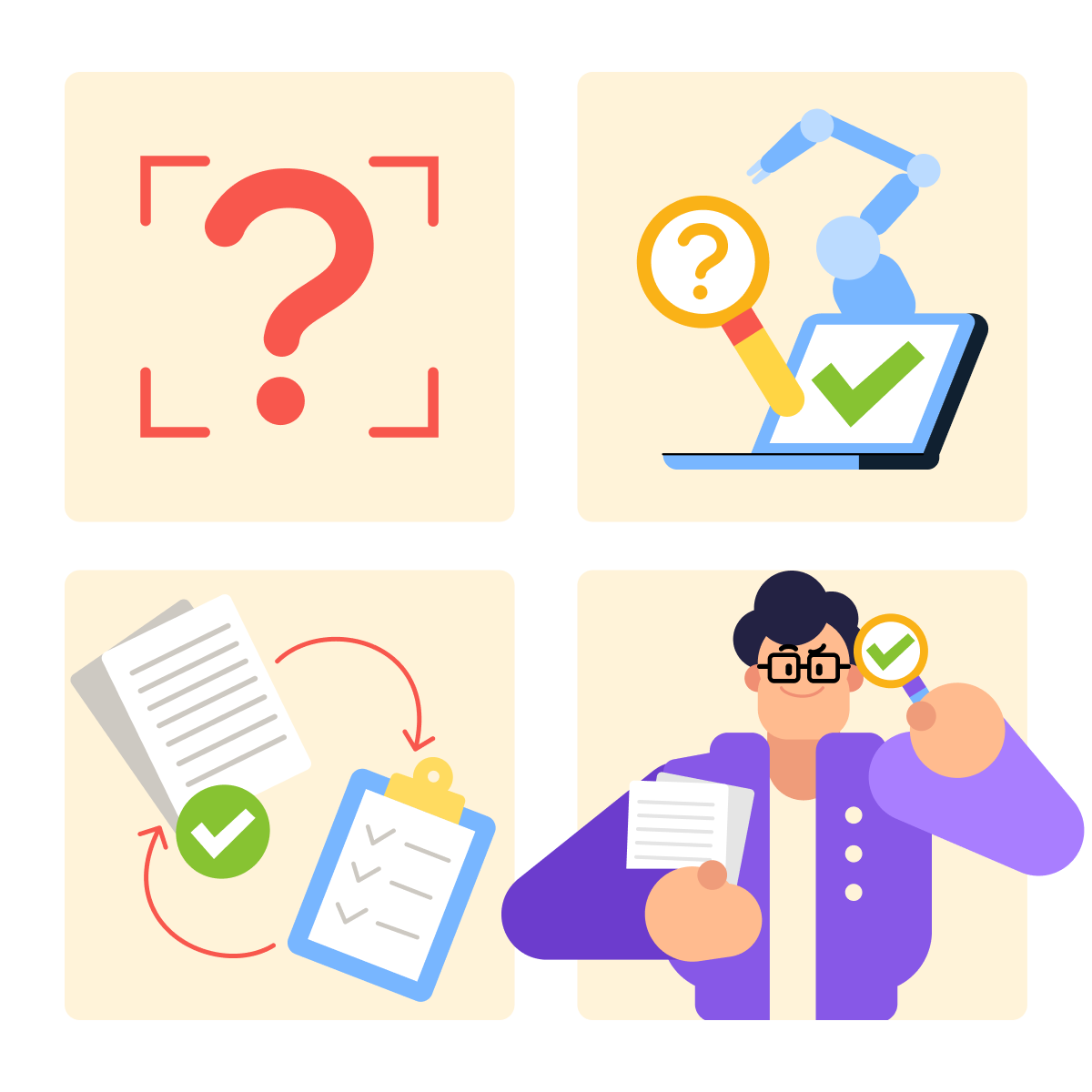
- Coverage gaps are wider outside the US. AI's knowledge of tax codes in smaller jurisdictions is thinner and more likely to be out of date. The verification step becomes more important.
- Primary sources look different. Your country's revenue authority publications, tax administration circulars, or court rulings serve as IRS guidance. Verify against those — not against US sources translated across.
If your jurisdiction isn't well represented in AI training data, use AI for the workflow scaffolding (drafting the checklist structure, framing the question, organizing what you already know), and rely on local primary sources for the actual rules.
Your Path Forward
You've just learned how AI can accelerate tax research — helping you find relevant regulations faster, summarize complex provisions clearly, and generate structured review checklists.
When used with proper verification and professional judgment, AI research support can significantly reduce time spent on routine tax questions while ensuring thorough, accurate client service.

What's Next?
In the next lesson, you'll learn how to use Claude to analyze long financial and audit documents efficiently — extracting key findings, identifying risk indicators, and highlighting unusual disclosures that warrant deeper review.
Keep up the good work!