Omni · Getting Started With Omni
Setting the Mood With Light
Use light to create emotional atmosphere
Setting the Mood With Light
In the previous lesson, you learned to move the camera with intention.
But there is another element that creates atmosphere and shapes how every scene feels — lighting.
So, in this lesson, you'll learn how to use it to set the mood in each of your videos.

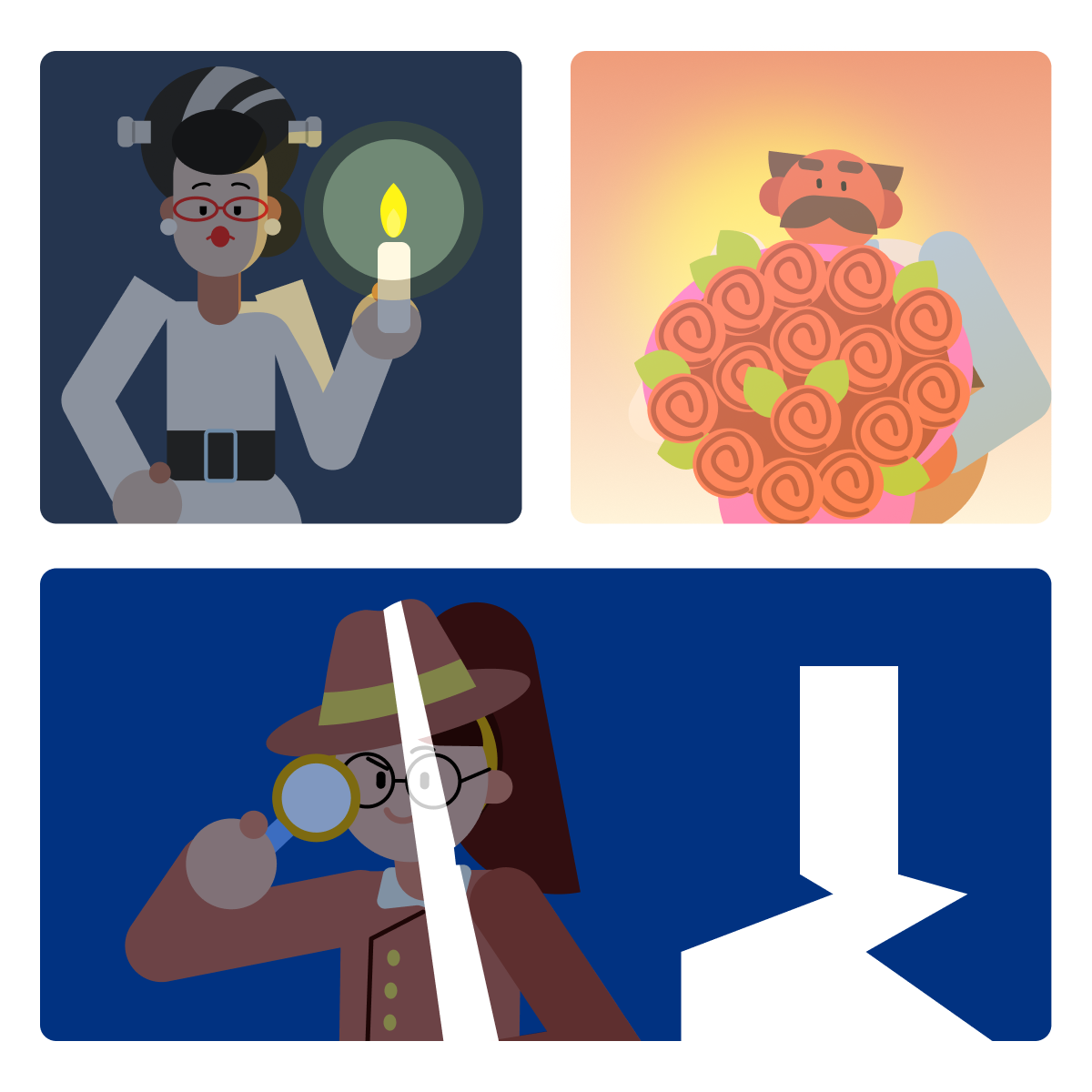
Think about your favorite movie scenes. Chances are, the lighting played a huge role in how they made you feel:
- A horror scene lit by flickering candlelight
- A romance at golden sunset
- A thriller with harsh shadows cutting across a face
Lighting tells viewers how to feel before a single word is spoken.
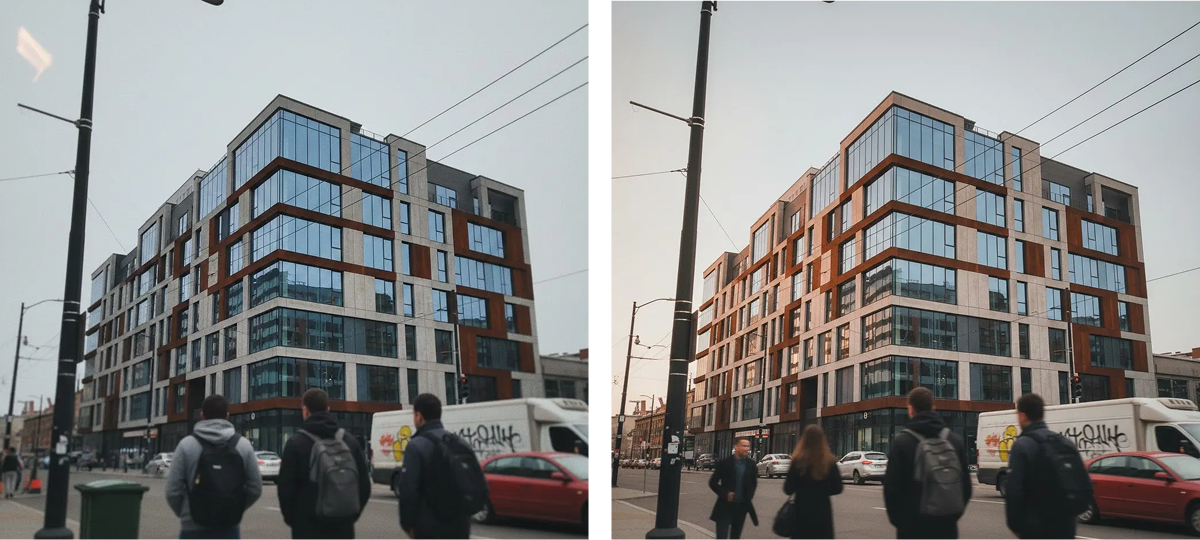
When you don't specify lighting in your prompts, Omni opts for neutral, flat scenes: evenly lit, no shadows or atmosphere.
Think of the difference between a professional photograph and a quick phone snapshot. The subject might be the same, but the feeling is completely different.
Choose one
What's the key principle for lighting in your prompts?
When you name the light source — a window, a campfire, or a neon sign — Gemini Omni understands how shadows should fall and how the scene should glow.
Without it, lighting can flicker or feel artificial.
Now, let's explore the main lighting types you'll use most often.
Lighting Type 1: Golden Hour
Golden hour is the warm, soft light that occurs just after sunrise or before sunset. It produces balanced contrast and softer shadows on camera.
Golden hour creates:
- Feeling of warmth and romance
- Atmosphere of nostalgia and sentimentality
- A dreamy, flattering glow on faces and landscapes
Prompt phrases: "golden hour," "sunset light," "warm evening glow," "magic hour"

practice preview
Interactive practice
Fill in the blank
Complete this prompt to create a scene lit by golden hour.
Look how the golden light transforms a simple walk in the city into a romantic scene!
This is why golden hour is so popular — it instantly elevates ordinary moments.
Lighting Type 2: Soft Window Light
Soft window light is a natural light that produces gentle shadows and smooth transitions.
Soft window light creates:
- A cozy, calm, and intimate mood
- Natural, emotionally safe atmosphere
- Depth without drama
Prompt phrases: "soft window light," "natural light from a window," "diffused daylight," "morning light through curtains"

practice preview
Interactive practice
Fill in the blank
Complete this prompt to create a cozy indoor scene.
The soft window light makes this scene feel like a quiet, personal moment and not a staged shot.
This lighting type is perfect for intimate, authentic-feeling content.
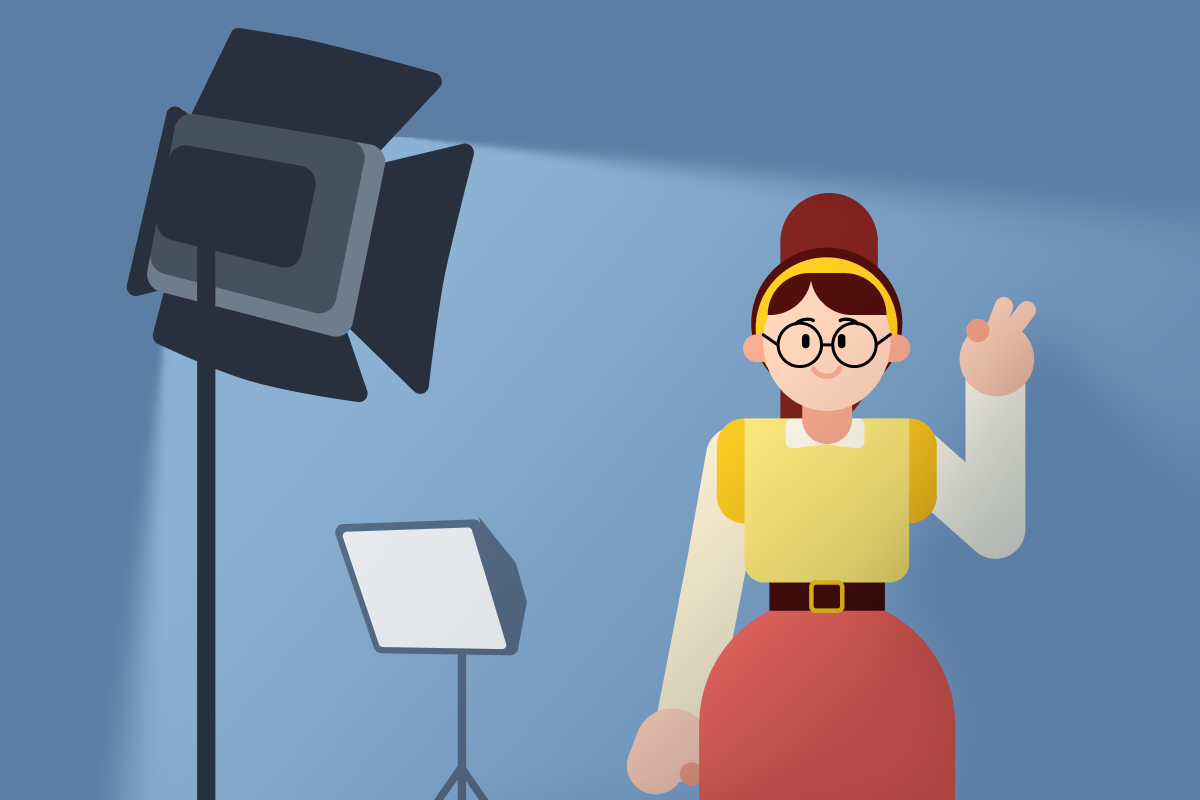
Lighting Type 3: Cinematic Lighting
Cinematic lighting uses dramatic contrasts between light and shadow — what filmmakers call "chiaroscuro."
Cinematic lighting creates:
- A sense of drama and tension
- Professional, film-like look
- Strong visual contrast that draws the viewer's eye
Prompt phrases: "cinematic lighting," "dramatic shadows," "high contrast lighting," "film noir lighting"
practice preview
Interactive practice
Fill in the blank
Complete this prompt to create a dramatic scene.
See? The dramatic shadows make this scene feel like a thriller or crime story.
Cinematic lighting is your tool for drama and visual sophistication.
Lighting Type 4: Neon and Artificial Light
Neon and artificial lighting use man-made light sources, such as neon signs, streetlights, screens, and LED lights.
Neon/artificial light creates:
- Urban, contemporary vibes
- Vibrant color and energy
- Moody, stylized aesthetics (think cyberpunk or electronic music videos)
Prompt phrases: "neon lights," "city lights," "illuminated by a neon sign," "glowing screens," "LED lighting"

practice preview
Interactive practice
Fill in the blank
Complete this prompt to create an urban night scene.
The neon lights give this scene a vibrant character, in sync with the city's energy. Imagine the same musician in golden hour light — it would feel entirely different.
That's why setting the right light is so important.
Choosing the Right Lighting
Each lighting type creates a different emotional response.
Choosing the right one means asking: How do I want viewers to feel?

practice preview
Interactive practice
Match pairs
Tap a left item, then a right item to match.
Remember: you can also combine lighting with everything else you've learned to give Omni specific direction. For example:
- A "close-up dolly-in with soft window light"
- A "wide tracking shot at golden hour"
The more intentional you are, the more polished your results become.
- Golden hour for warmth and romance
- Soft window light for coziness and intimacy
- Cinematic lighting for drama and tension
- Neon lights for urban energy and modern mood
Great Job!
Congratulations, you've completed Unit 1! You now know how to build effective prompts, move the camera, and light your scenes with intention.
In Unit 2, we'll go further: directing sound, maintaining character consistency, controlling start and end frames, extending videos, and putting everything together for real-world use.
Let's keep going!