AI for SEO · Building and Scaling SEO With AI
Authority and Off-Page SEO
Earn quality backlinks that boost your authority
Build Authority Outside Your Website
You've optimized your content, built a strong on-site foundation, and fixed technical issues. But rankings depend on more than what's on your website.
This lesson shows you how to build authority through external signals — backlinks, brand mentions, and digital PR.
Choose one
Why do you think it's important to go beyond what's on your own page to improve rankings?
What Is Off-Page SEO?
Off-page SEO is actions taken outside your website that impact your rankings. Unlike on-page SEO, which focuses on your content and technical setup, it builds your reputation across the web.
Here are the main elements of off-page SEO:
- Backlinks: other sites linking to yours — quality beats quantity
- Brand mentions: unlinked mentions of your brand across the web
- Digital PR: press coverage, collaboration features, interviews
Each element sends different trust signals to Google. Together, they build what's called authority.
What Is Authority?
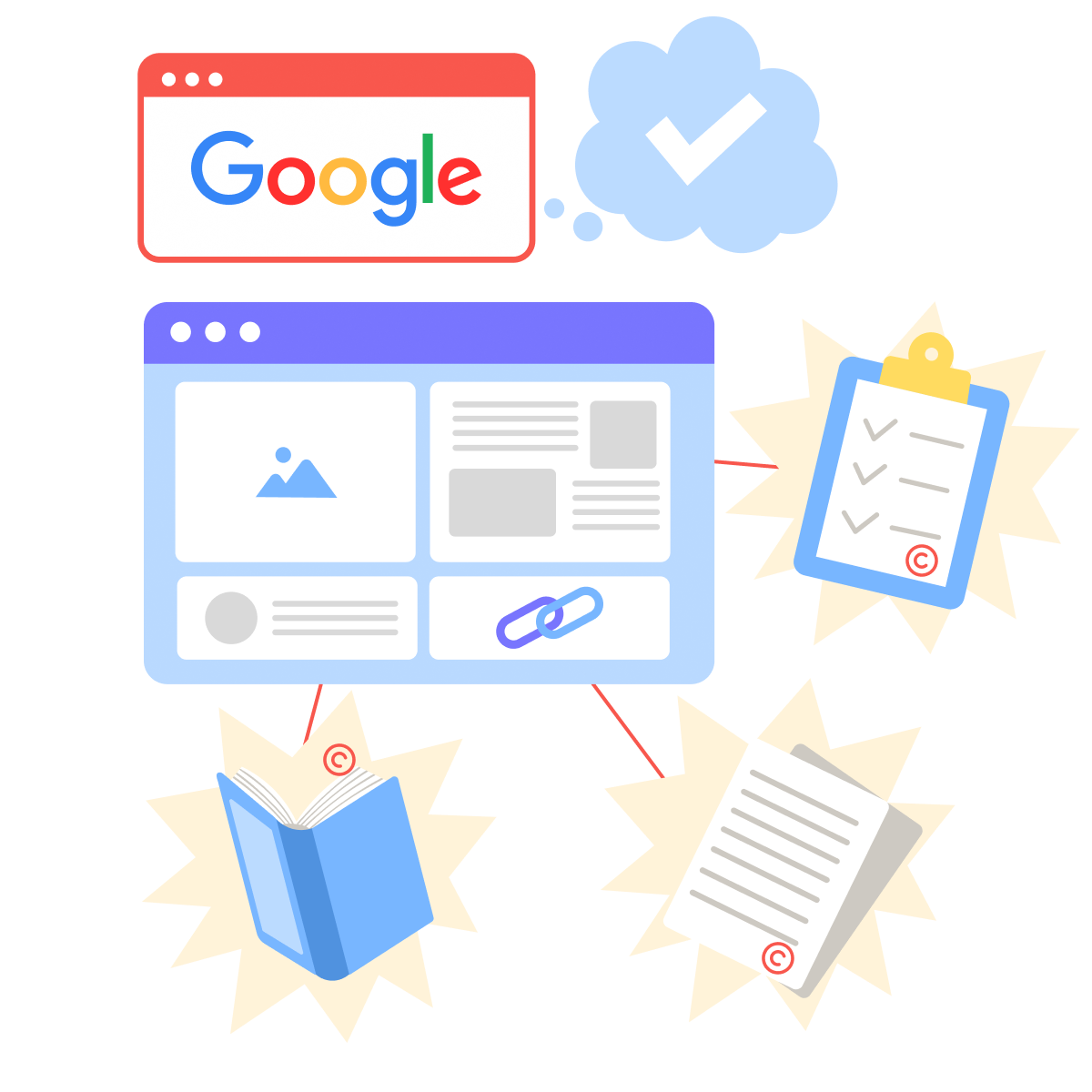
Authority is how Google evaluates trust using signals like backlinks and brand mentions. Think of it like academic citations — if 100 research papers cite your study, you're credible. If nobody cites you, you're unproven. Higher authority means better rankings.
Google works the same way with backlinks, brand mentions, and digital pr.
Choose one
How do backlinks build authority for your site?
That's exactly it — backlinks work because they carry trust from one site to yours. But this also means the opposite: low-quality or artificial links can actively harm you.
practice preview
Interactive practice
True / False
Is this a smart move for your home decor business?
The Off-Page SEO Mistake
Chasing quantity, people buy 500 backlinks from cheap link farms, use automated tools, or spam comments with their URL. Feels like a shortcut — but Google detects unnatural link patterns and penalizes the site. Rankings drop, recovery takes months.
The alternative is understanding what makes links valuable, then earning them strategically. Let's figure out what makes a backlink valuable.
practice preview
Interactive practice
Fill in the blank
Use ChatGPT to identify which types of backlinks would actually help your business.
Excellent!
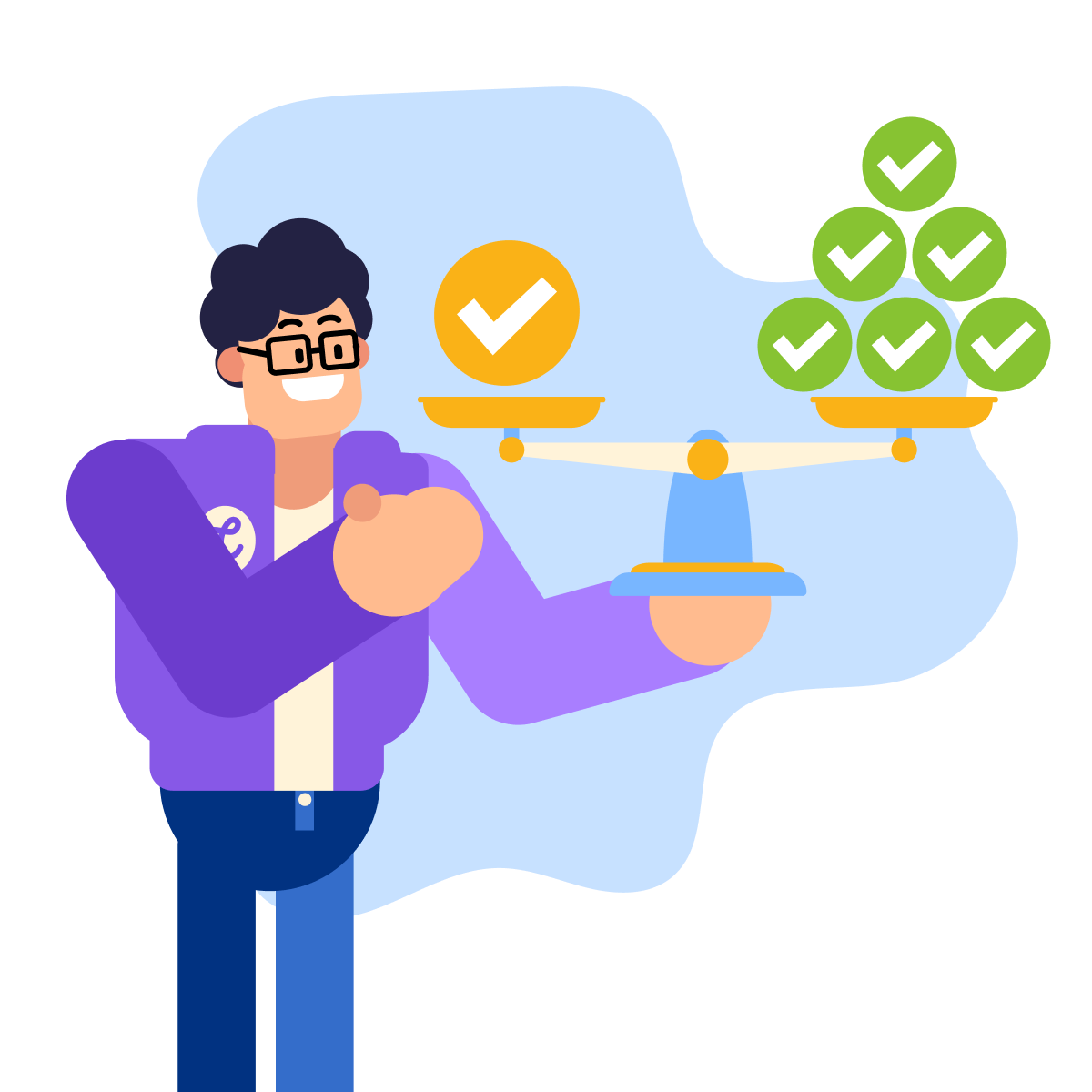
These three factors determine whether a link helps or hurts your rankings:
- Relevance — links from sites in your industry signal topical authority to Google.
- Trust & authority — established, reputable sites pass more credibility than low-trust blogs.
- Contextual placement — links within helpful content carry more weight than footer or sidebar links.
To check the quality of links already pointing to your site, you'll use Semrush to pull the actual data — and ChatGPT to interpret it.
What Is Semrush?
Semrush is your off-page SEO dashboard — it shows who's linking to you, which links are toxic, where competitors get their authority, and where your opportunities are. All the data you can't see manually, in one place.

Step 1: Analyze Backlinks with Semrush
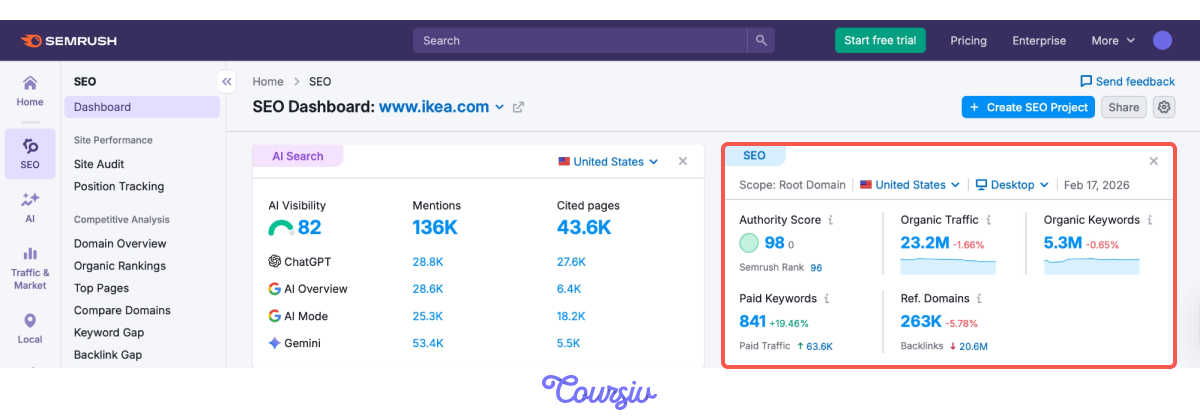
Go to Semrush.com and sign up. Once logged in, navigate to "Backlink Analytics" and enter Ikea's website URL. Click "Analyze."
Semrush analyzes the site and, on the right, shows: Authority Score (credibility from 0-100), Paid Keywords, Organic Traffic, and Organic Keywords. This overview shows your current off-page authority level compared to competitors.
Step 2: Review Your Backlink Profile
Click the "Backlinks" tab in Semrush. You'll see every link organized by: Authority Score (linking site's credibility), Authority Score Trend, and Network Graph.
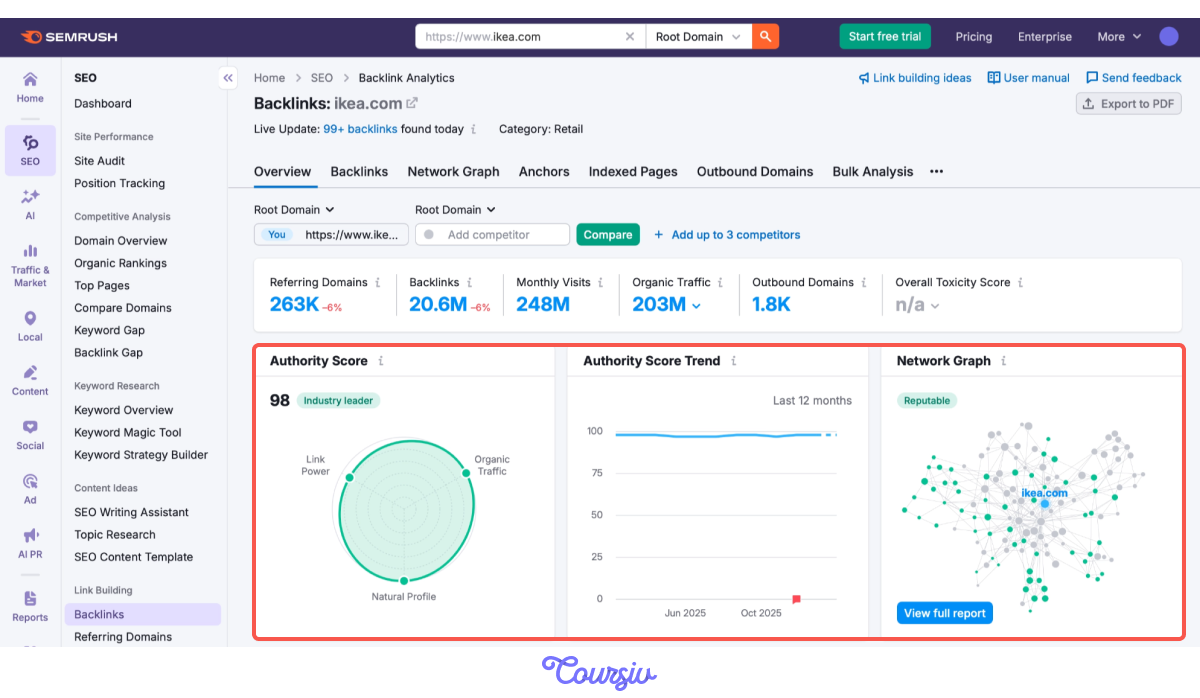
Focus on links from sites with high Authority Scores in your industry. For example, IKEA shows an Authority Score above 98. For your home decor site, aim for links from sites with Authority Scores of 40+ in design, home improvement, or lifestyle niches.
Step 3: Evaluate Backlink Health
Authority Score 40+ is your benchmark. If a link pointing to your site comes from a site below that threshold, it's worth flagging — watch them closely, or remove bad ones to protect your rankings.
Great Work!
After you've evaluated your backlink profile and know which links build authority and which ones to flag, let's move to Brand Mentions.

Brand Mentions
Not every site that references you will link back to you. Some will simply mention your brand by name — and that still counts. These are called brand mentions, and even without a link, they signal visibility and trustworthiness to Google.
For example, a design blog writes "According to YourBrand, minimalist bedrooms work best with neutral palettes" — no link, but Google still registers the association.
A Dedicated Tool for Brand Mentions
Tracking mentions manually across blogs, forums, and social platforms is impossible at scale.
Unlike Semrush, which focuses on backlinks and rankings, Brand24 is built specifically for this — monitoring everything people say about your brand in real time online.
Step 1: Set Up Brand24
Sign up at Brand24.com and create a project for your brand name or main keyword. In the "Enter keywords" field, type "Ikea."
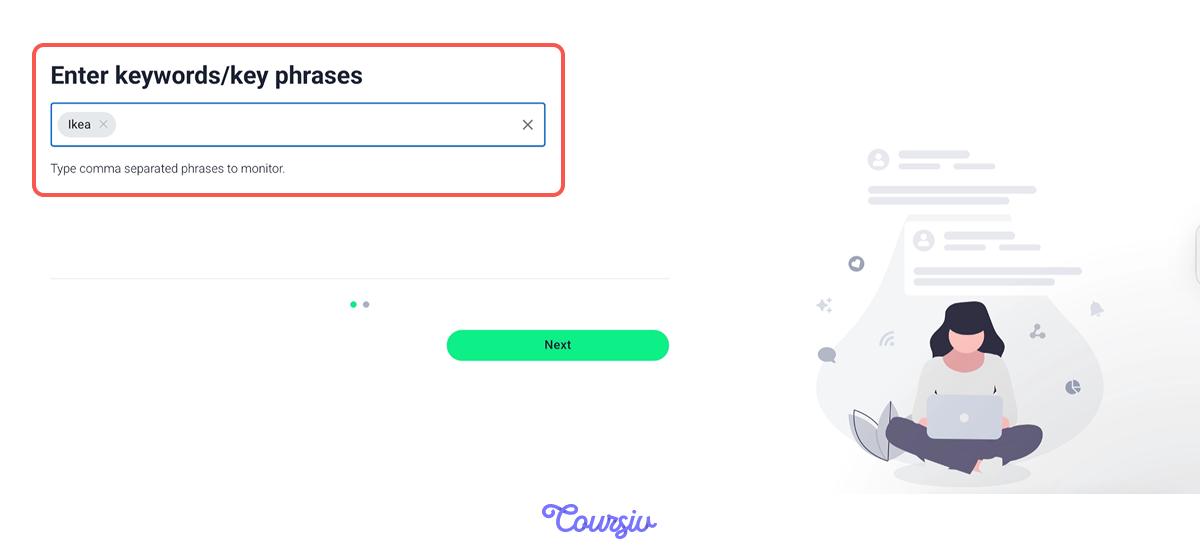
Step 2: Add Keywords To Track
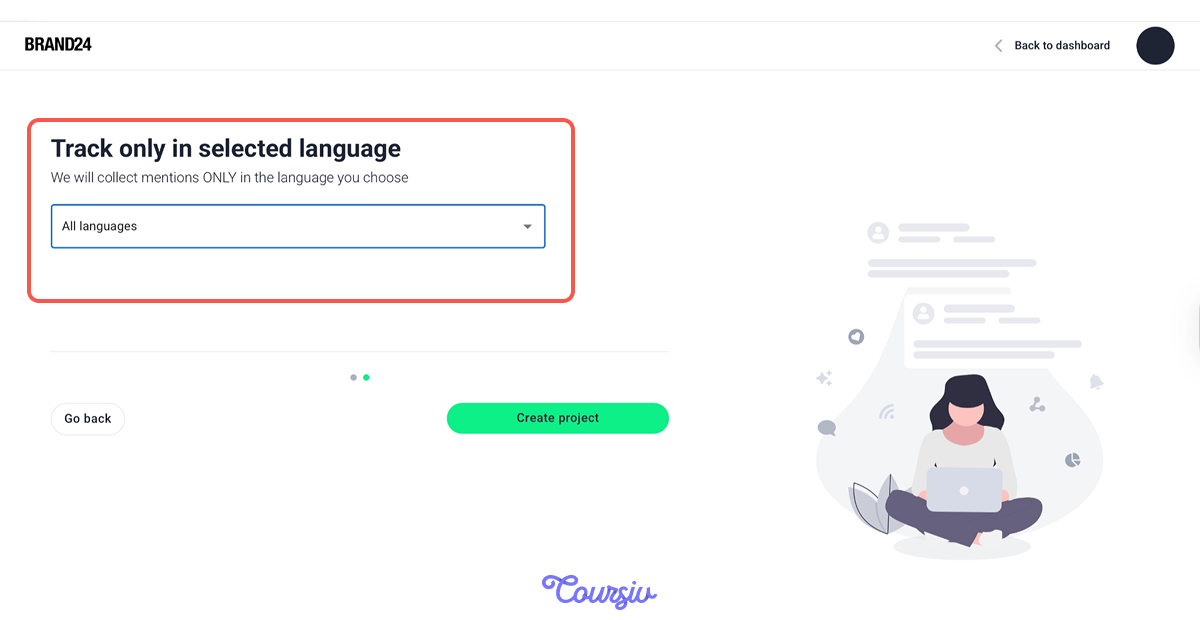
Choose "Track only in selected language" and pick your target language, or select "All languages" to monitor globally. Then click Start to begin monitoring.
Step 3: Review Your Mentions
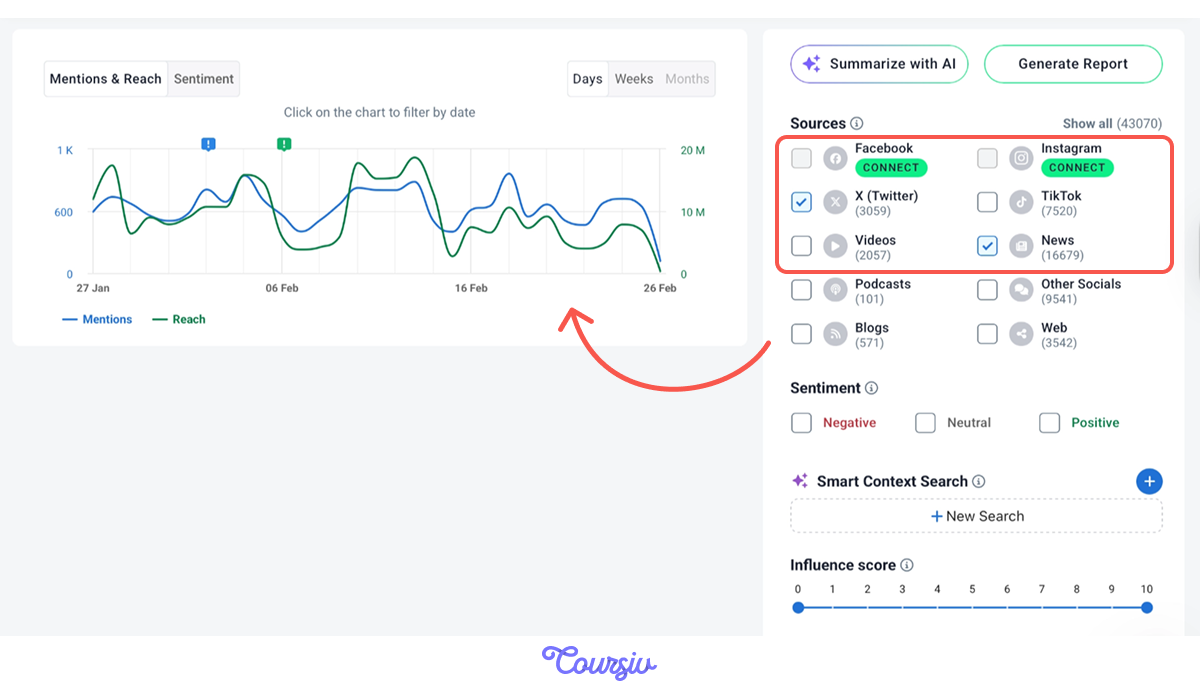
Brand24 monitors mentions and reach in real-time on the left side with a graph. On the right, it shows sources (Instagram, Facebook, X, Video, News), sentiment (positive, negative, neutral), and influence score.
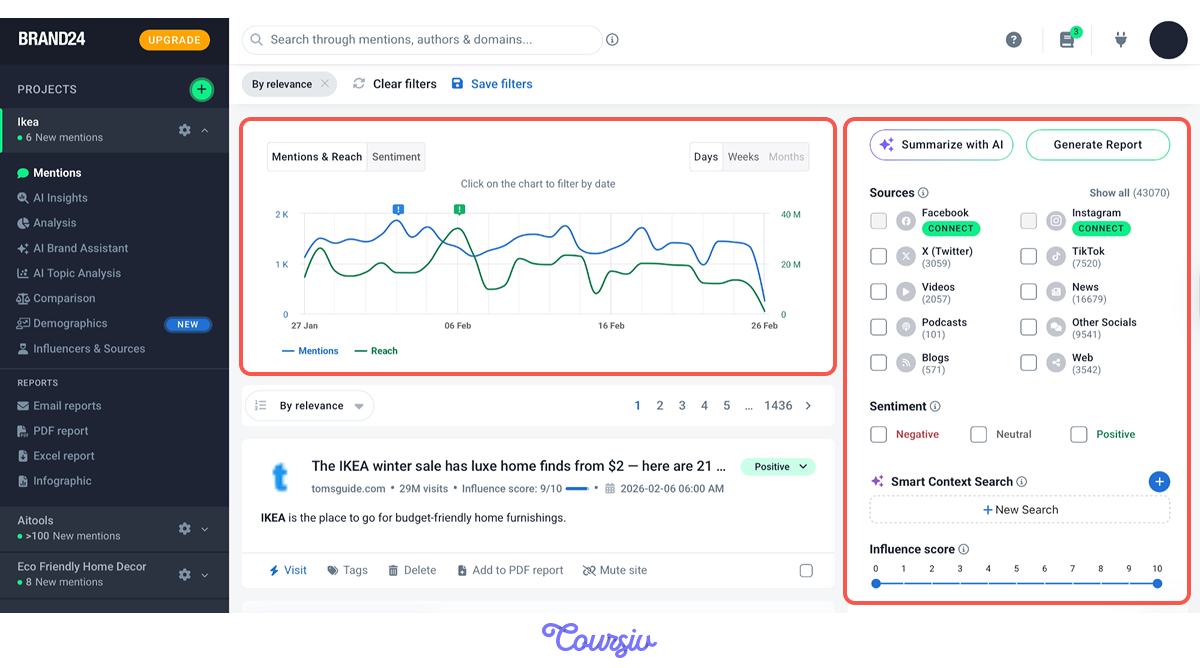
Select sources you need — connect your Instagram and Facebook accounts, or search from X and News. Add filters like neutral sentiment and influence score 10+. Then use AI Brand Assistant to get a quick summary of conversations.
So, for your home decor business, this also shows that you can join relevant conversations, respond to feedback, and act on opportunities the moment they appear — not days later. And that kind of presence is what leads into the next feature — Digital PR.
Digital PR
Digital PR means earning press coverage, features, and interviews in trusted outlets — each one building credibility that both Google and customers trust. There are more opportunities than most people realize.
Select all that apply
Which of these are strong Digital PR opportunities for a home decor business?
Designer Collaborations with AI
Of these opportunities, designer collaborations are one of the most effective to start with. Partner with local interior designers — they get portfolio content, you get backlinks and brand mentions. AI can help you craft the outreach and plan the content.
practice preview
Interactive practice
Fill in the blank
Use ChatGPT to create a designer collaboration strategy.
Perfect!
You created an outreach email template for designer collaborations — but the same approach works for podcasts, press, and any other partnership.
The formula stays the same: offer real value, show clear benefits, make it easy to say yes. One solid outreach strategy covers all three off-page SEO pillars: backlinks, brand mentions, and Digital PR.
- Off-page SEO builds authority through three pillars: backlinks, brand mentions, and digital PR.
- Quality backlinks need relevance, trust, and contextual placement. Use Semrush to analyze your profile and flag links below Authority Score 40.
- Use Brand24 to monitor brand mentions in real time — filter by source, sentiment, and influence score to focus on what matters.
- Use ChatGPT to craft outreach: offer clear value, show mutual benefit, make it easy to say yes.
You now understand all three key elements of off-page SEO: backlinks, brand mentions, and Digital PR.
See you in the next lesson, where you'll learn how user experience and behavioral signals impact your rankings!