AI for SEO · Building and Scaling SEO With AI
Keyword Research
Find the keywords that matter
Find Keywords That Convert
You know SEO matters, you understand search intent. But how do you find the right keywords to target — the ones that bring customers, not just traffic?
Most people chase big numbers and end up ranking for searches that never convert. Let's see how to find keywords that grow your business.

Why Keywords Matter for SEO
Keywords are the bridge between what people search for and what you offer. When someone types "modern living room ideas" into Google, keywords tell the search engine your page is relevant to that search.
Choose one
What should you check before targeting a keyword to understand how many people are searching for it?
Search Volume
Yes! The first step is understanding search volume — how many times people search for a specific keyword each month.

It falls into three categories, each with a different strategic value:
- High-volume keywords (5000+ searches/month) have strong demand but usually higher competition. Example: "bedroom furniture" — broad, competitive, dominated by major retailers.
- Medium-volume keywords (500-5000 searches/month) balance opportunity and competition. Example: "platform bed under $500" — broad enough to drive traffic.
- Low-volume keywords (under 500 searches/month) are easier to rank for but bring less traffic. Example: "minimalist platform bed walnut finish" — very specific, converts well, but limited reach.
Choose one
What's true about targeting high-volume keywords like "home decor"?
The Vanity Keyword Trap
Vanity keywords are high-volume terms that look impressive but don't drive results. Example: "home decor" gets 500K searches, but you're competing with IKEA and Wayfair. Even if you ranked, most searchers want inspiration, not to buy — wrong traffic type.
For your home decor business, choose medium-volume keywords — enough demand to drive traffic, with realistic competition you can win.
Think of it like fishing. You could throw a net into the ocean (high-volume, broad keywords) and compete with commercial fishing boats. Or you could fish in a stocked pond (specific, medium-volume keywords) where you're the only one casting a line.
The pond has fewer fish, but you'll catch something.

What Makes a Keyword Valuable
A valuable keyword has three qualities:
- Realistic competition: You can rank for it without fighting major brands
- Clear intent: You can attract searchers who want what you offer, not just browsers
- Sufficient volume: You can drive meaningful traffic with enough monthly searches

practice preview
Interactive practice
True / False
Evaluate this keyword based on its qualities.
practice preview
Interactive practice
True / False
Evaluate this keyword using the three qualities.
You now understand what makes keywords valuable: realistic competition you can rank for, clear intent that matches what you offer, and sufficient volume to drive meaningful traffic.
But how do you find these keywords?
Discovering Search Patterns
AnswerThePublic isa keyword research tool that shows what questions people type into Google about a specific topic — revealing real problems they're trying to solve.
Let's set it up and see what people are searching for related to your home decor business.

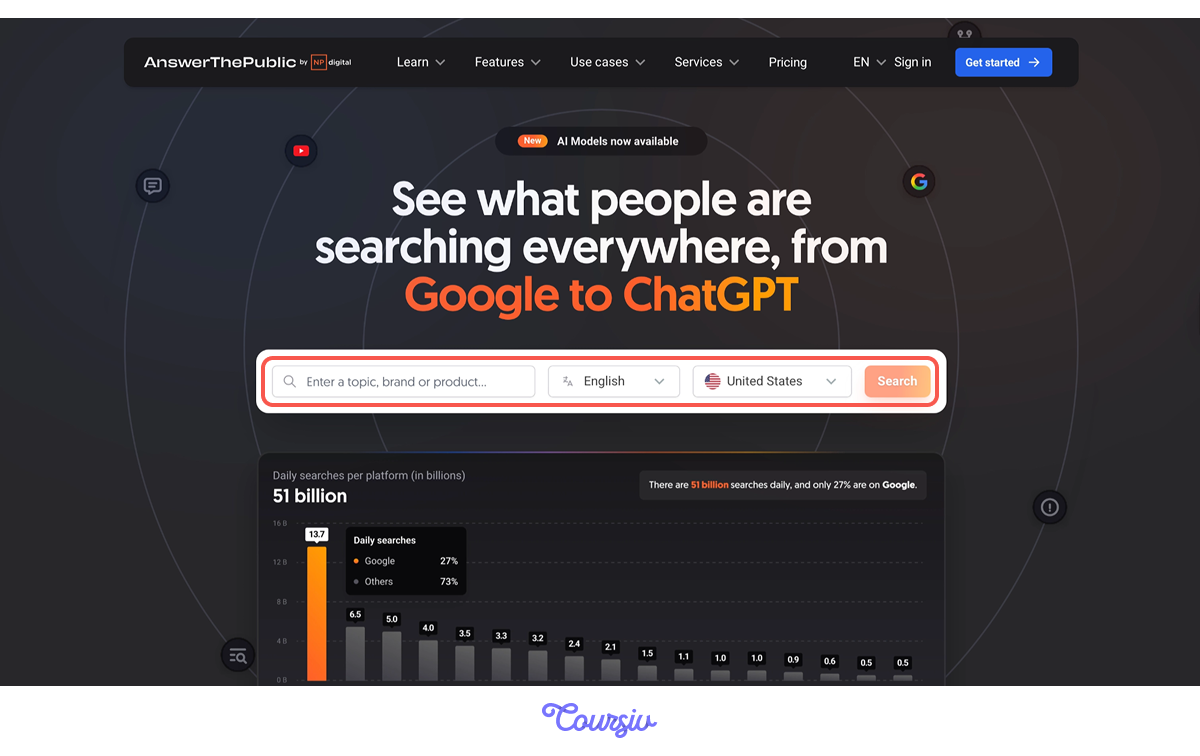
Step 1: Set Up Your Search
Go to the AnswerThePublic site, enter your topic, brand, or product in the search bar. Then choose your language and region to get location-specific results.
Step 2: Explore Top Ideas
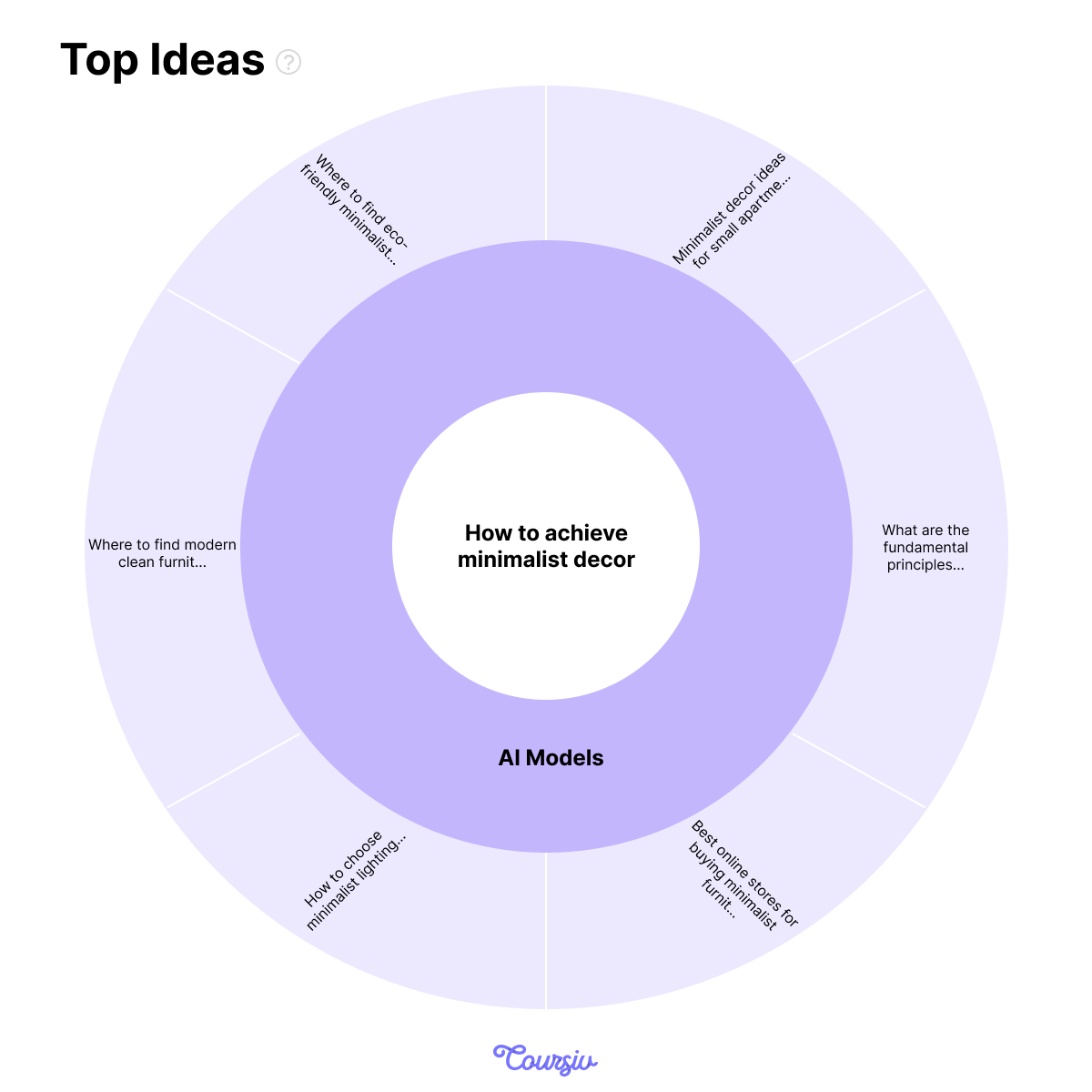
After entering "minimalist decor," AnswerThePublic shows "Top Ideas" first — the most popular questions and searches people are typing into Google.
You'll see searches like "how to choose minimalist lighting" and "best online stores for buying minimalist furniture." This reveals what your audience wants to know and what problems they're trying to solve.
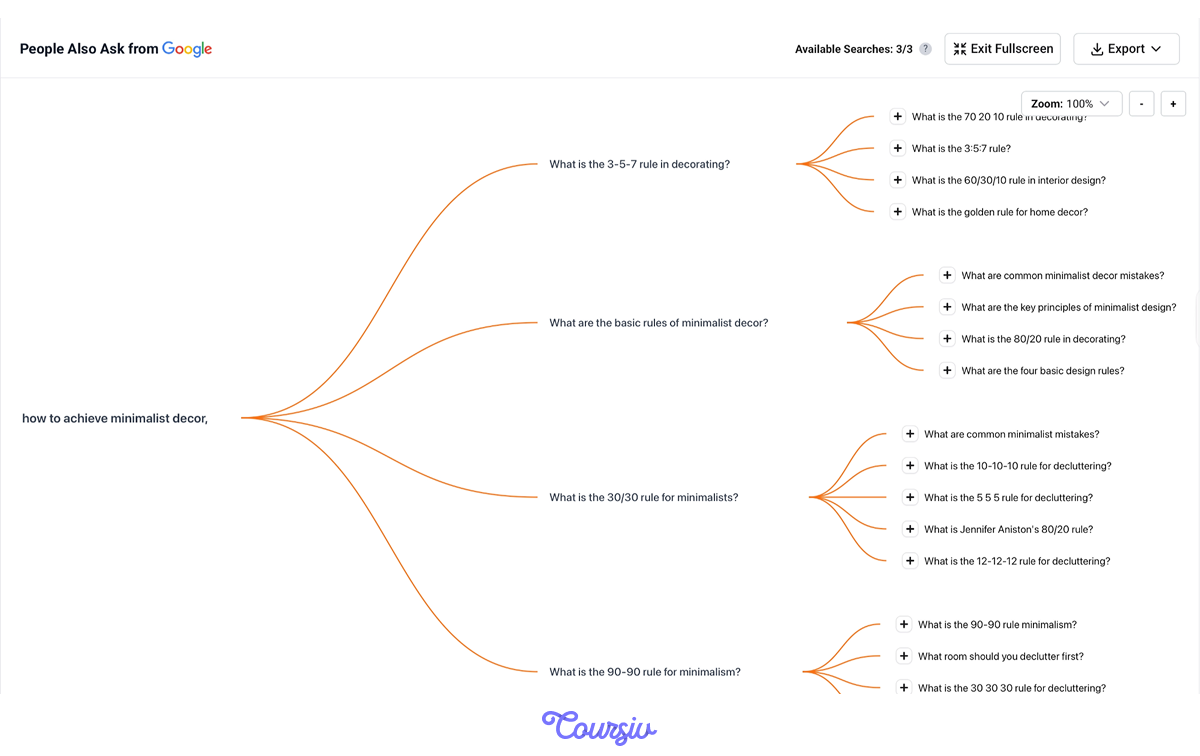
Then you'll see what questions "People Also Ask from Google." Each main branch shows a category of related questions people ask Google, and the smaller branches show specific variations.
You can use these questions to create comprehensive content that answers multiple related questions in one article, improving your SEO coverage.
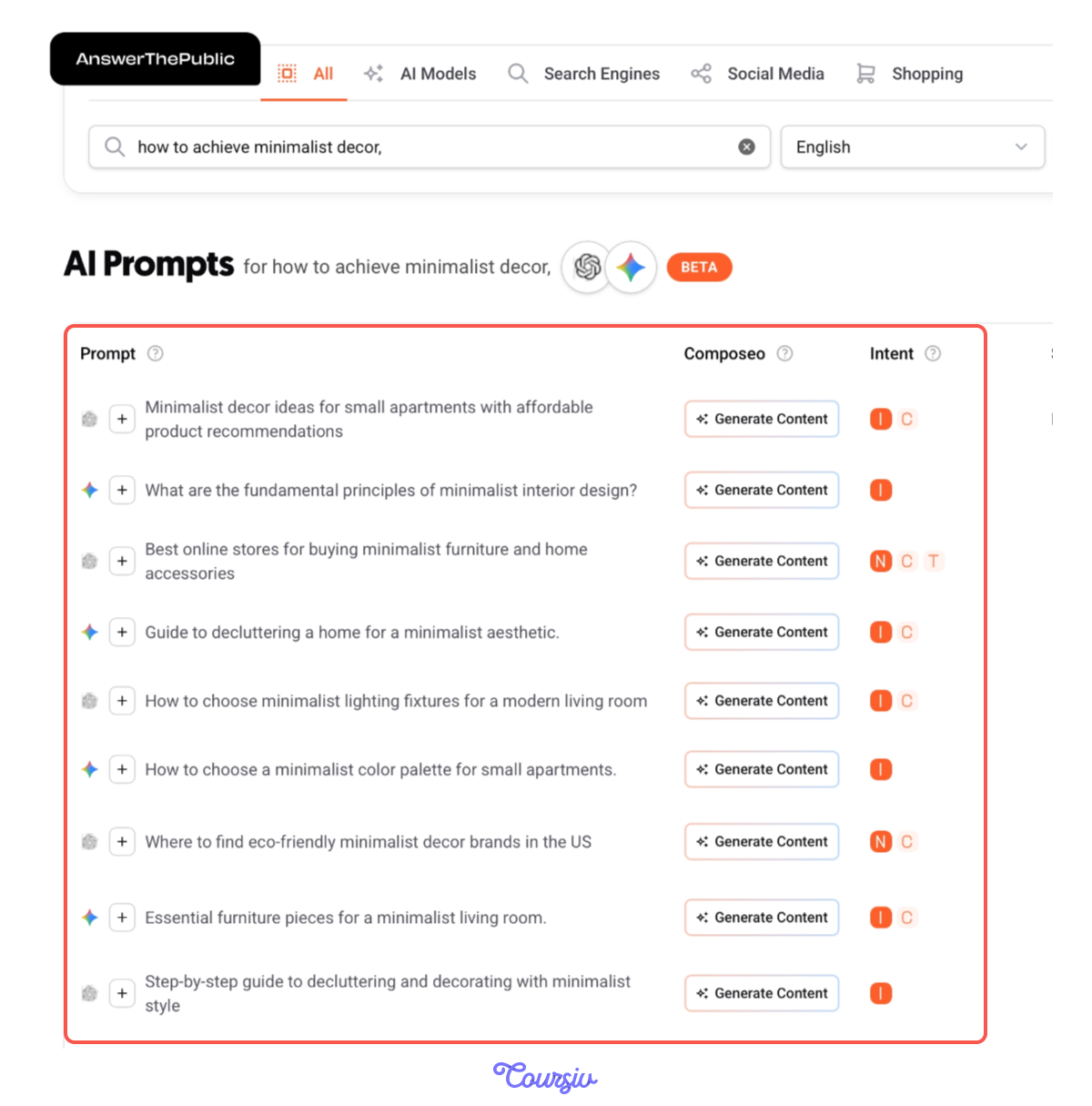
Finally, you'll see what people discuss on social media and what they're looking to buy. AnswerThePublic delivers these insights directly as AI prompts, ready for you to generate targeted content.
This tool shows you which questions to answer in your content. But you don't need to create separate content for each of them. Most of these questions can be grouped.
Understanding Keyword Clusters
AnswerThePublic shows "What is the 3-5-7 rule?" "What is the 70-20-10 rule?" "What is the golden rule for home decor?" Same intent — people want decorating rules. Instead of separate pages, create one comprehensive page answering all.
This is a keyword cluster — grouping related keywords with similar intent.
For your home decor business, one strong page beats ten weak ones. Google rewards comprehensive content that thoroughly covers a topic. Now, let's cluster the AnswerThePublic questions using ChatGPT to identify which questions belong together.
practice preview
Interactive practice
Fill in the blank
Use ChatGPT to group AnswerThePublic questions into strategic clusters.
Excellent!
You grouped AnswerThePublic questions into three keyword clusters, each with a distinct intent and content format.
Notice how intent shifts from learning → problem-solving → planning → buying. This is how you match content format to where users are in their journey — one comprehensive piece per cluster that serves the right stage.
Perfect!
You have keyword clusters and know what type of content intent to create. The final step is making sure you can rank for them.
Evaluating Keyword Difficulty
Keyword difficulty (KD) is a score from 0-100 showing how hard it is to rank for a keyword. It's calculated based on how many sites are competing and how much authority those competitors have.
- KD under 30: Usually achievable for newer sites with low competition, you can win with quality content.
- KD 30-50: Needs some authority, requires well-optimized content, and time to build trust with Google.
- KD over 50: Requires established site authority; you're competing against major sites like IKEA, Wayfair, or established design blogs with strong domain authority
practice preview
Interactive practice
True / False
Evaluate this keyword difficulty choice for a new home decor website.
Targeting KD under 40 when starting lets you see results within 3-6 months instead of waiting 12+ months for highly competitive keywords.
As you publish quality content and your site builds authority, you can gradually target harder keywords (KD 40-60). This strategic progression helps you grow traffic steadily rather than pursuing keywords you can't realistically rank for yet.
practice preview
Interactive practice
Fill in the blank
Use ChatGPT to evaluate if a keyword is realistically rankable for your site.
Choose one
Why does checking keyword difficulty before creating content matter?
You just learned how to check keyword difficulty to avoid a costly mistake: spending weeks on content for keywords you'll never rank for because competition is too strong.
Evaluating KD first means you only invest time in winnable keywords — not impossible battles.

Select all that apply
Based on what you've learned, what makes keyword research valuable?
- Search volume shows demand, but keyword difficulty (KD) determines if you can rank. Target KD under 40 for new sites — realistic competition delivers results in 3-6 months.
- Use AnswerThePublic to find real questions, then ChatGPT clusters them by search intent (informational, commercial, transactional).
- Match content format to intent: informational needs explainer blogs, commercial needs product recommendations, transactional needs buyer's guides with links.
- Together, volume + difficulty + intent clustering ensures you target keywords you can rank for with content that searchers want.
You now know how to find what people search for, identify the right content type, cluster keywords strategically, and evaluate difficulty realistically.
In the next lesson, you'll learn how to turn these keyword clusters into a content plan that ranks. Let's keep building!