AI Social Influence & Blogging · From Strategy to Creativity
Connecting with Your Audience
Know your audience, reach your audience
Understanding Your Audience
You have a brand identity — visual style, voice, values, and positioning. And your brand exists in a relationship with an audience. The more you understand who you're speaking to, the better your content will resonate.
In this lesson, you'll create a detailed audience persona, identify their pain points and desires, and align your content pillars with their real needs.
Who Are You Really Talking To?
You probably have a general sense of who your audience is — their age range, their interests, maybe their lifestyle. But general isn't enough. The creators who build real connection go deeper.
Select all that apply
Which of these do you think are essential for truly understanding your audience?
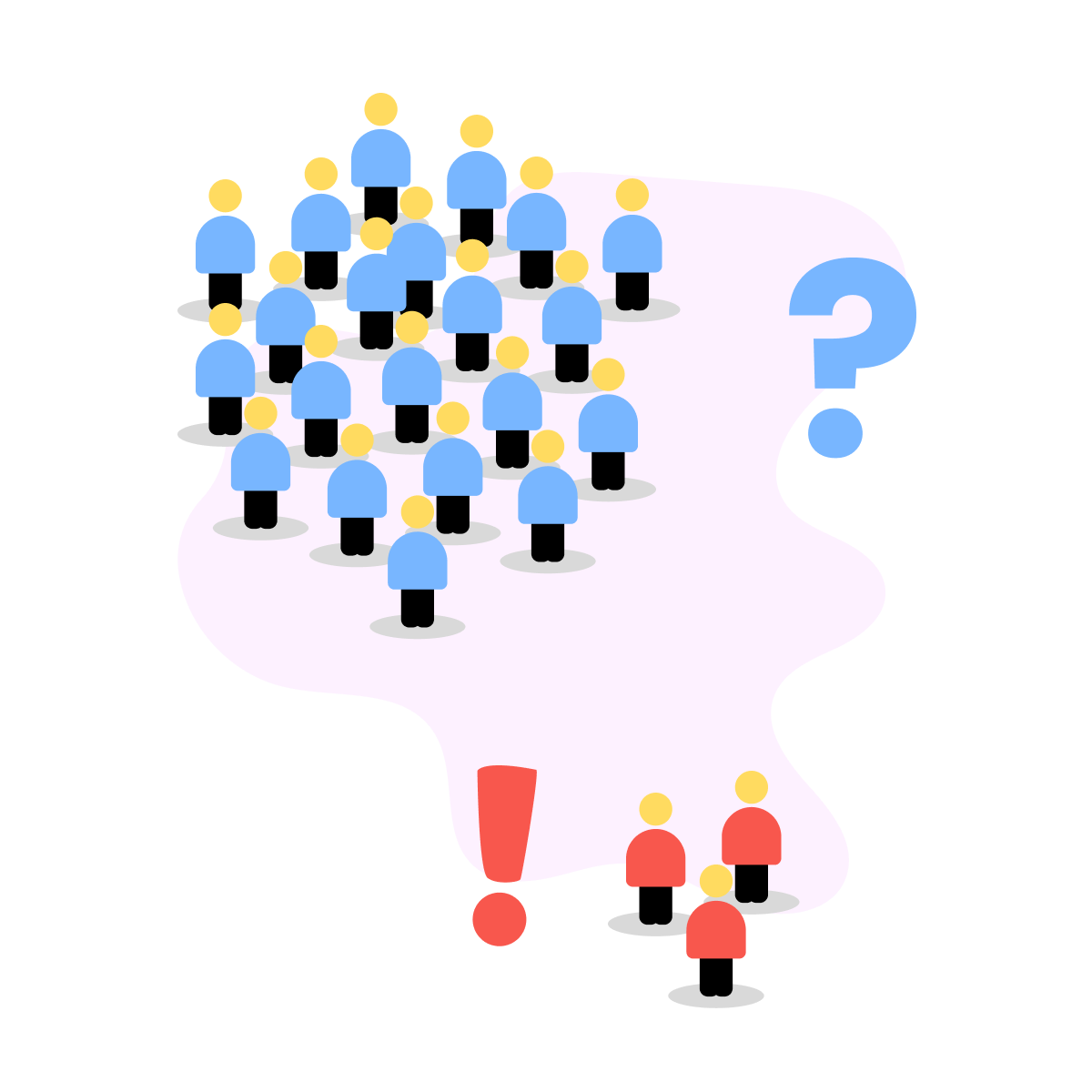
The Micro-Niche Advantage
- "Women interested in lifestyle" is too broad.
- "Busy professional women in their 30s who want to feel put-together without spending hours on routines" is specific.
And the question is: "Which do I choose?"
Specificity might feel risky, but the opposite happens — when content speaks directly to someone's reality, they save it, share it, and come back for more.
Using Audience Persona
An audience persona is a detailed portrait of your ideal follower — a semi-fictional character with specific struggles, goals, daily routines, and emotional triggers. Professional marketers use personas to guide every decision, and successful influencers do the same.
Building Your Persona
Every useful audience persona includes these components:
- Demographics: age, location, life situation, occupation
- Daily reality: routines, time constraints, environment
- Pain points: frustrations, struggles, what feels hard
- Desires: goals, dreams, aspirations
- Behaviors: where they spend time online, what they search, who they follow
- Trust triggers: what makes them believe and follow someone
practice preview
Interactive practice
Fill in the blank
Use Claude to create a detailed persona for your ideal audience member. The more specific, the more useful.
Excellent! Maya is now your compass. Every piece of content you create should speak directly to her struggles, her desires, her daily reality. When you're unsure what to post, ask: "Would this help Maya?"
Going Deeper — Research Methods
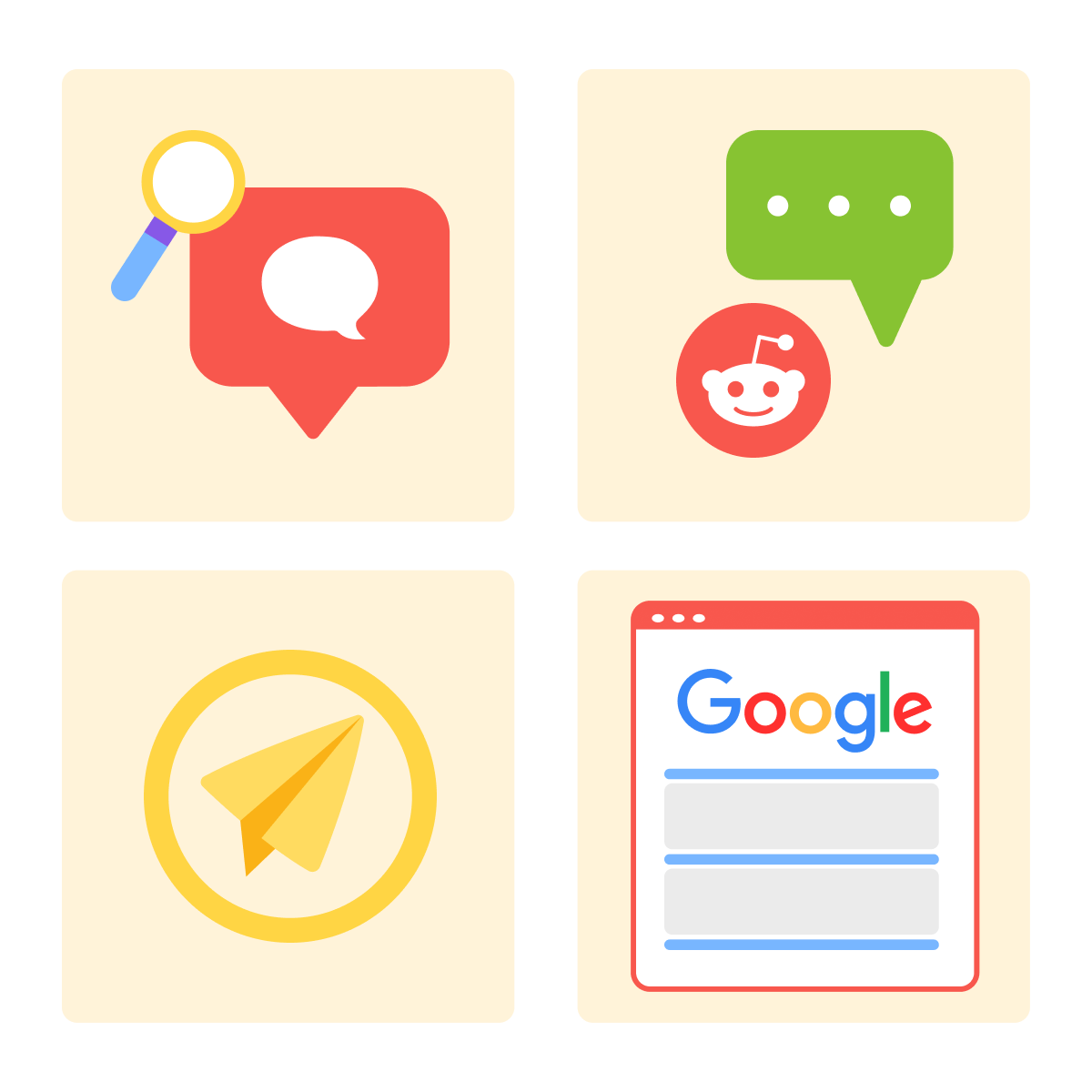
A persona built on real research is more powerful than one built on assumptions. How to deepen your understanding of your audience:
- Comment mining: Read comments on competitors' posts — what questions do people ask? What do they complain about?
- Reddit and forums: Search your niche topics and read what real people say.
- DM conversations: If you have any following, ask questions and listen.
- Search autocomplete: Type your topic into Google and see what questions appear.
practice preview
Interactive practice
Fill in the blank
Use ChatGPT to help you identify where to find audience insights and what questions to explore.
Great Work! You now have a research roadmap. Invest time in these communities before creating content — you'll discover exact phrases your audience uses and frustrations they've never seen addressed.
Pain Points and Desires
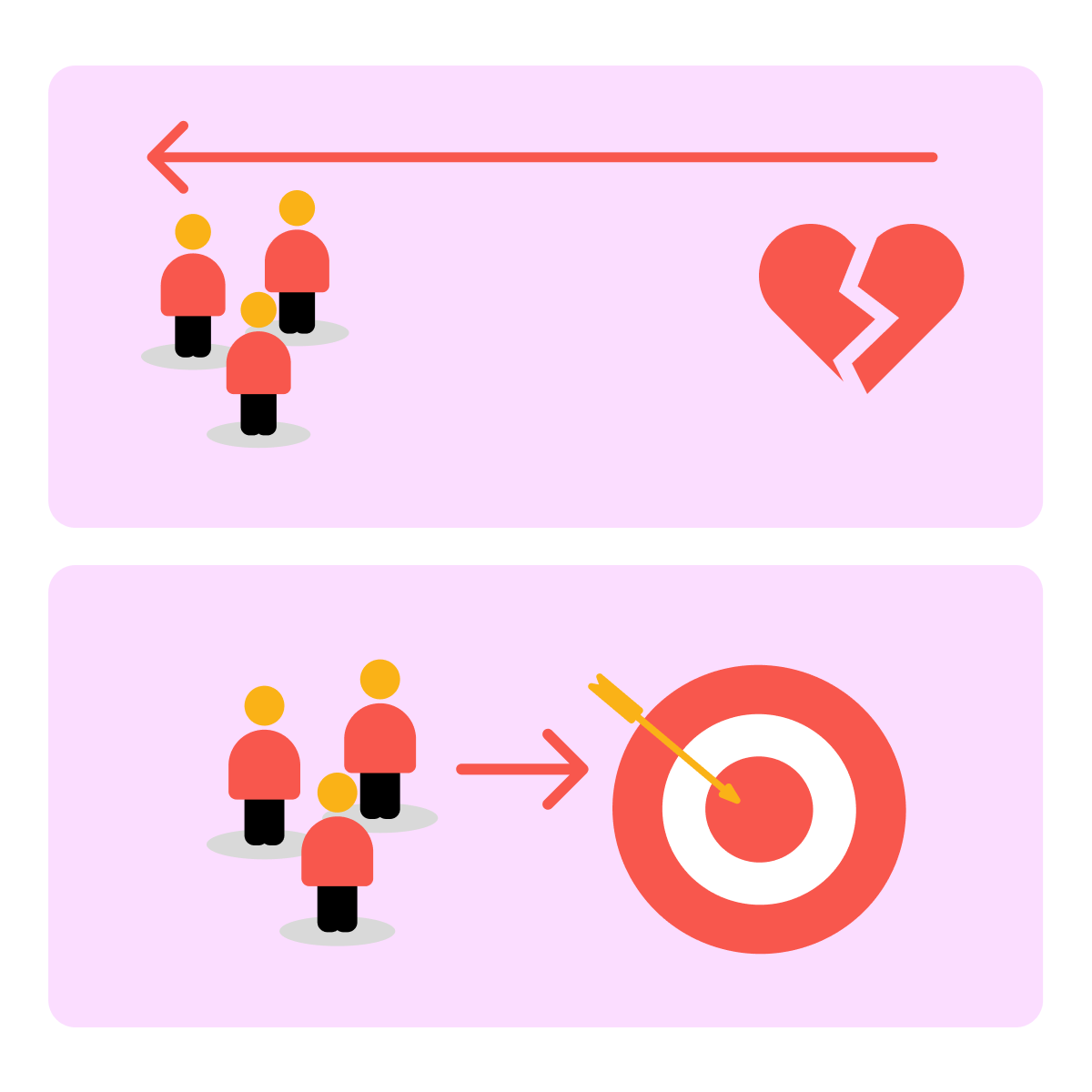
Your audience has two types of motivations: moving away from pain and moving toward desire.
As you can see from the audience persona ChatGPT created, Maya wants to avoid feeling overwhelmed and rushed. She wants to move toward calm, organization, and feeling polished. The gap between pain and desire is where your content lives — you're the bridge that helps them cross.
Choose one
You're creating a post about morning routines. Which opening line do you think will resonate more with Maya?
So, the key idea is that the most resonant content names a pain point your audience feels but hasn't articulated, then offers a path toward their desire.
When Maya sees an influencer say, "You don't need a two-hour morning routine to feel put-together," she feels understood. Someone finally gets it.
Aria can do exactly that!
How Algorithms Find Your Audience
Creating persona-aligned content is only half the equation. The other half is getting that content in front of the right people.
That's where platform algorithms come in — and understanding them helps you work with them, not against them.
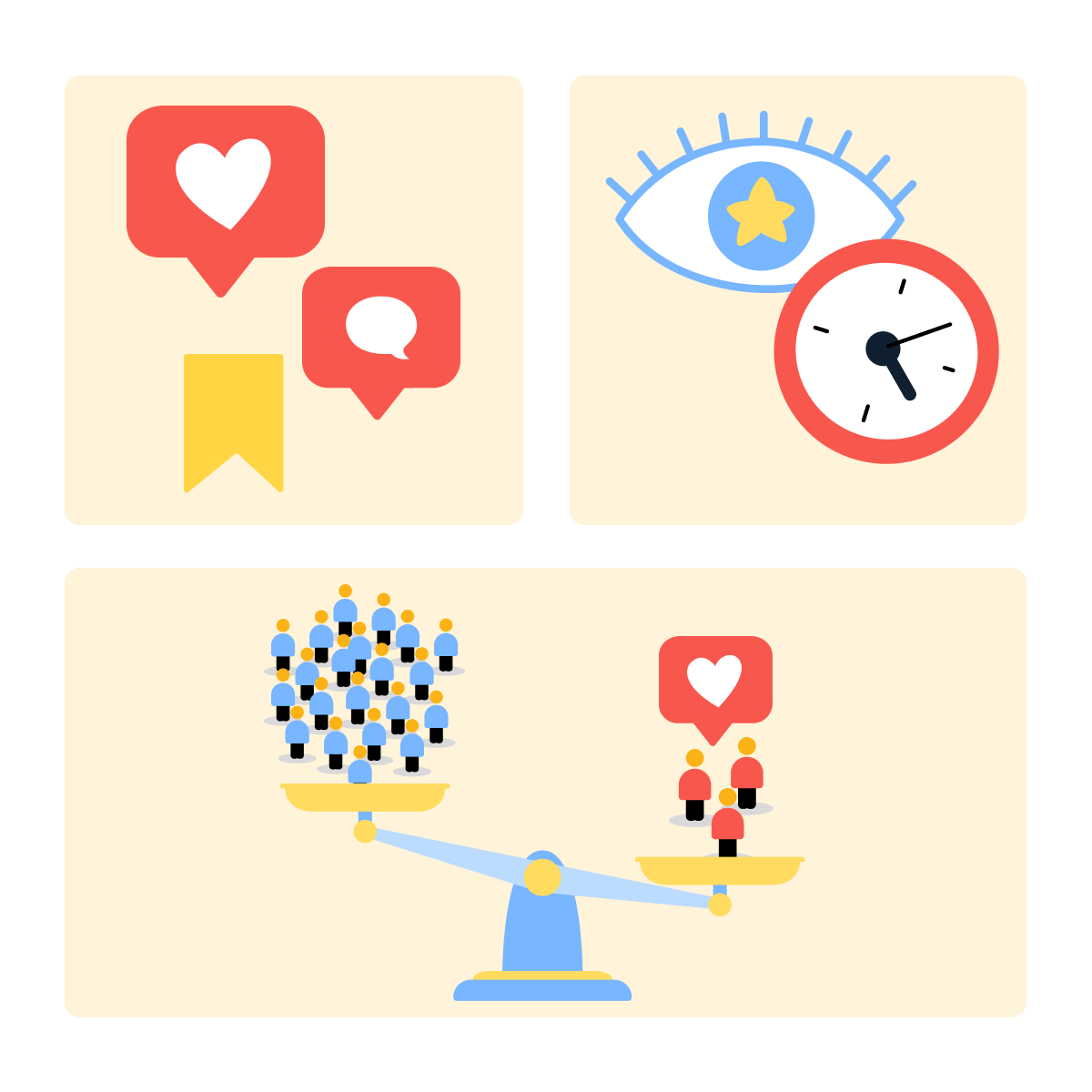
In 2026, all major platforms prioritize the same core signals:
- Engagement quality — saves, shares, and comments outweigh likes
- Watch time — how long people stay with your content
- Niche relevance — content that resonates deeply with a specific audience beats broad content every time
Choose one
In this sense, why do you think platform algorithms favor niche-specific content over broad content?
So, this is why your persona work matters for reach, not just resonance.
When Maya saves your post because it speaks directly to her struggle, the algorithm notices. It shows your content to more people like Maya. Specific content that gets saved beats generic content that gets scrolled past.
Platform-Specific Insights
Each platform weighs signals differently:
- TikTok prioritizes watch time
- Instagram Reels emphasizes saves and shares
Both reward genuine interaction over passive scrolling.
Tools like Metricool can track your performance patterns and flag when engagement shifts suggest algorithm changes — helping you adapt before your reach drops.
However, the rules change from time to time — platforms update their algorithms multiple times per year, and yesterday's winning strategy can become today's dead end.
So, staying current with algorithm changes is part of the job. Before planning a content sprint, spend ten minutes researching recent updates on your primary platform.
practice preview
Interactive practice
Fill in the blank
Use Gemini to get a current snapshot of algorithm priorities for your main platform.
Smart Approach!
Algorithm research should become a monthly habit. Before each content planning session, run a quick check on your platform's latest updates. Creators who stay informed adapt faster than those who wonder why their reach suddenly dropped.
practice preview
Interactive practice
Put in order
Arrange these steps in the correct order to reach your ideal audience.
You Know Who You're Talking To
Look at what you’ve built: Maya, a clear persona that guides every decision. You know her pain points and desires, and your content pillars match what she actually needs. Now you also understand how platforms will push that aligned content to more people like her.
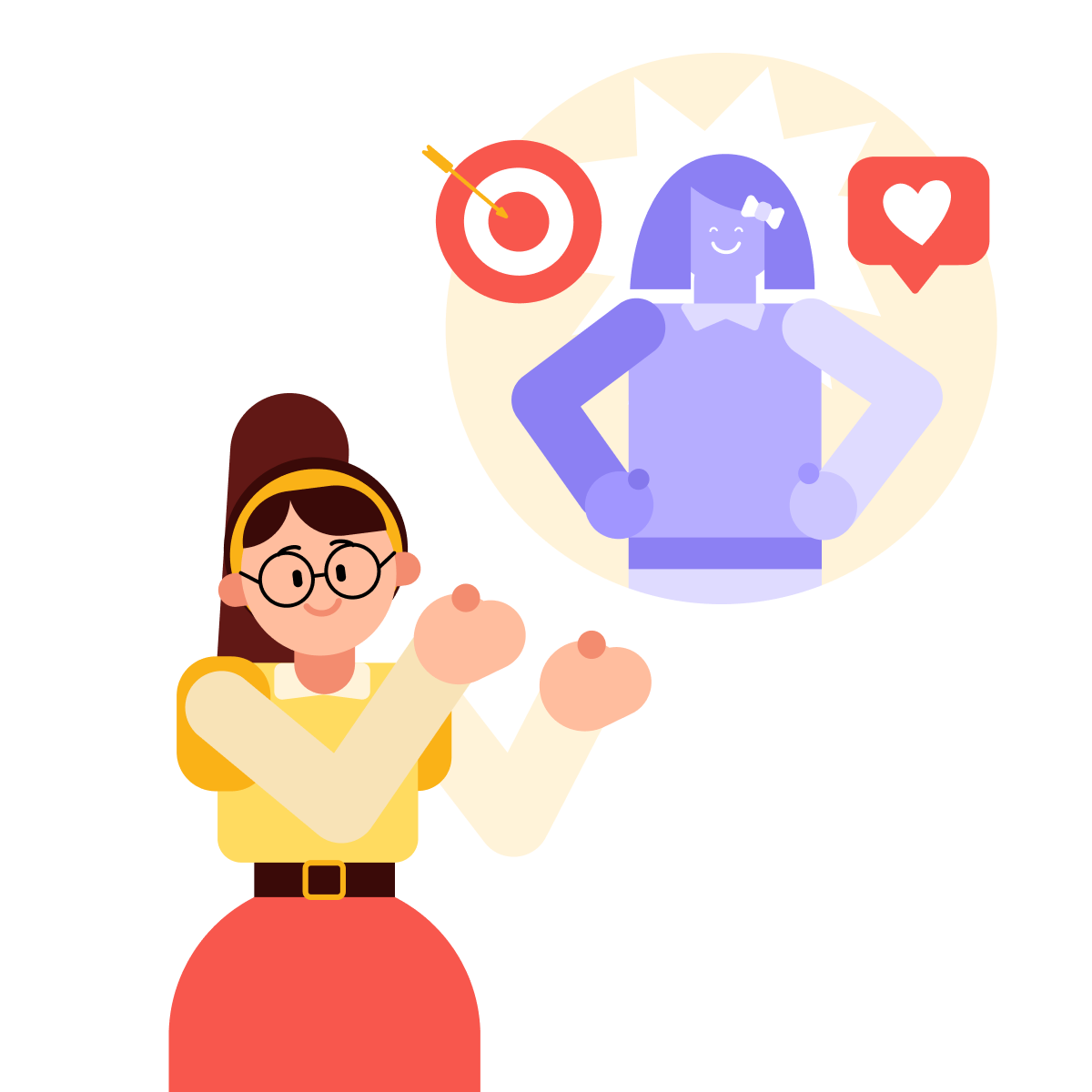
This works the same whether you show up yourself or through Aria. When your brand meets real audience needs — and algorithms deliver it to the right people — growth becomes repeatable, not random.
In the next lesson, you'll turn this foundation into action — creating a content strategy and planning calendar that keeps you consistent without burning out.
You know your brand. You know your audience. Let's build the system that brings it all together!