AI in SMM · AI-Powered Upstream SMM
AI-Powered SMM
Integrate AI into posting processes
How AI Changes SMM Results
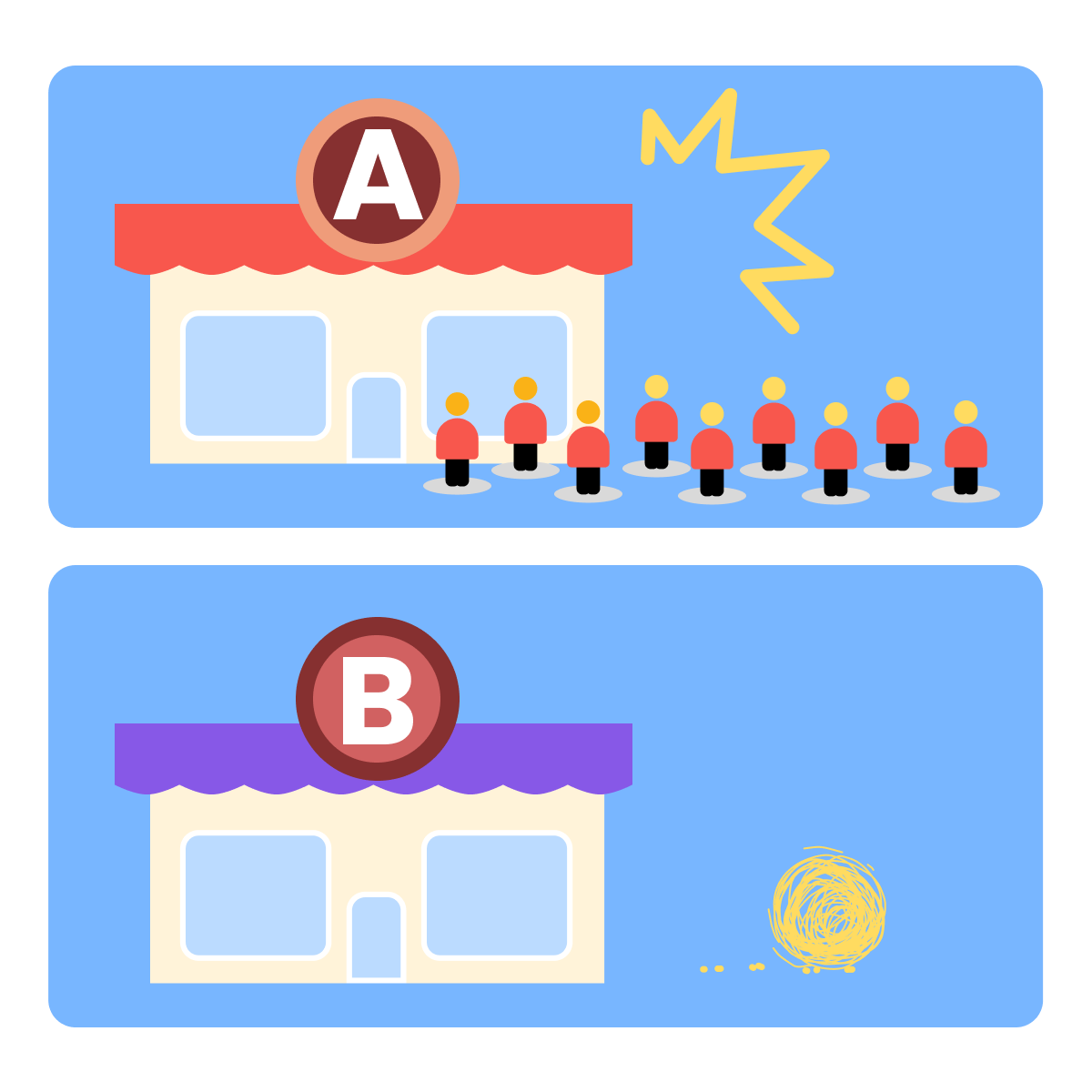
Imagine this: six months ago, two nearly identical coffee shops, A and B, opened in your neighborhood. Same budget, same-quality beans, both launched their social media.
Today, Coffee Shop A has 12K engaged followers and a line out the door every morning. Coffee Shop B has 800 followers and struggles to fill tables.
What's the difference?
Coffee Shop B: AI as a Content Machine
Coffee Shop B uses AI like most people do — as a content generator. Every morning, they open ChatGPT and ask: "Give me 5 Instagram captions for a coffee shop."
They post daily and create Reels because it seems to work for others. Their approach is generate, post, repeat.
Coffee Shop A: AI as a Strategic Partner
Coffee Shop A uses AI in a completely different way. Before creating anything, they use AI to understand, plan, and decide. Content creation is actually the next step in their process.
Before they post anything, they ask ChatGPT:
- "Analyze why someone would choose a specialty coffee shop. What are their real pain points?"
- "I have three content ideas: a latte art tutorial, a bean sourcing story, or a barista interview. Which aligns best with my goal of attracting morning commuters?"
- "Should I post this or save it? Does it serve my strategy, or am I just filling my calendar?"
After these strategic questions, Coffee Shop A asks AI to help create content.
And even then, they're specific: "Write an Instagram caption about our Ethiopian beans that speaks to people who care about sustainable sourcing and want to feel good about their coffee choice. Conversational tone, include a question at the end."

Select all that apply
What do you think makes Coffee Shop A's approach fundamentally different from Coffee Shop B's?
Real Example: How AI Transformed Nike's Social Media Strategy
Everyone knows Nike — a leader in the sports clothing industry. They also lead in leveraging AI for social media advertising, proving that AI isn't just for efficiency — it's a competitive advantage.
One of their most notable campaigns was #Nike50, which used AI to explore Serena Williams' career evolution and simulate matches between different versions of the tennis champion across eras. By using AI to analyze data, personalize content, and create dynamic visuals, Nike reached millions of people with content that felt both innovative and emotionally compelling.
The takeaway? Companies that use AI strategically — not just as a content generator, but as a tool for insight, personalization, and creativity — see measurably better results. Whether you're Nike or a local coffee shop, the principle is the same: AI amplifies what works when used thoughtfully.
Now, let's see how to implement AI across the entire workflow.
AI Across the Entire SMM Workflow
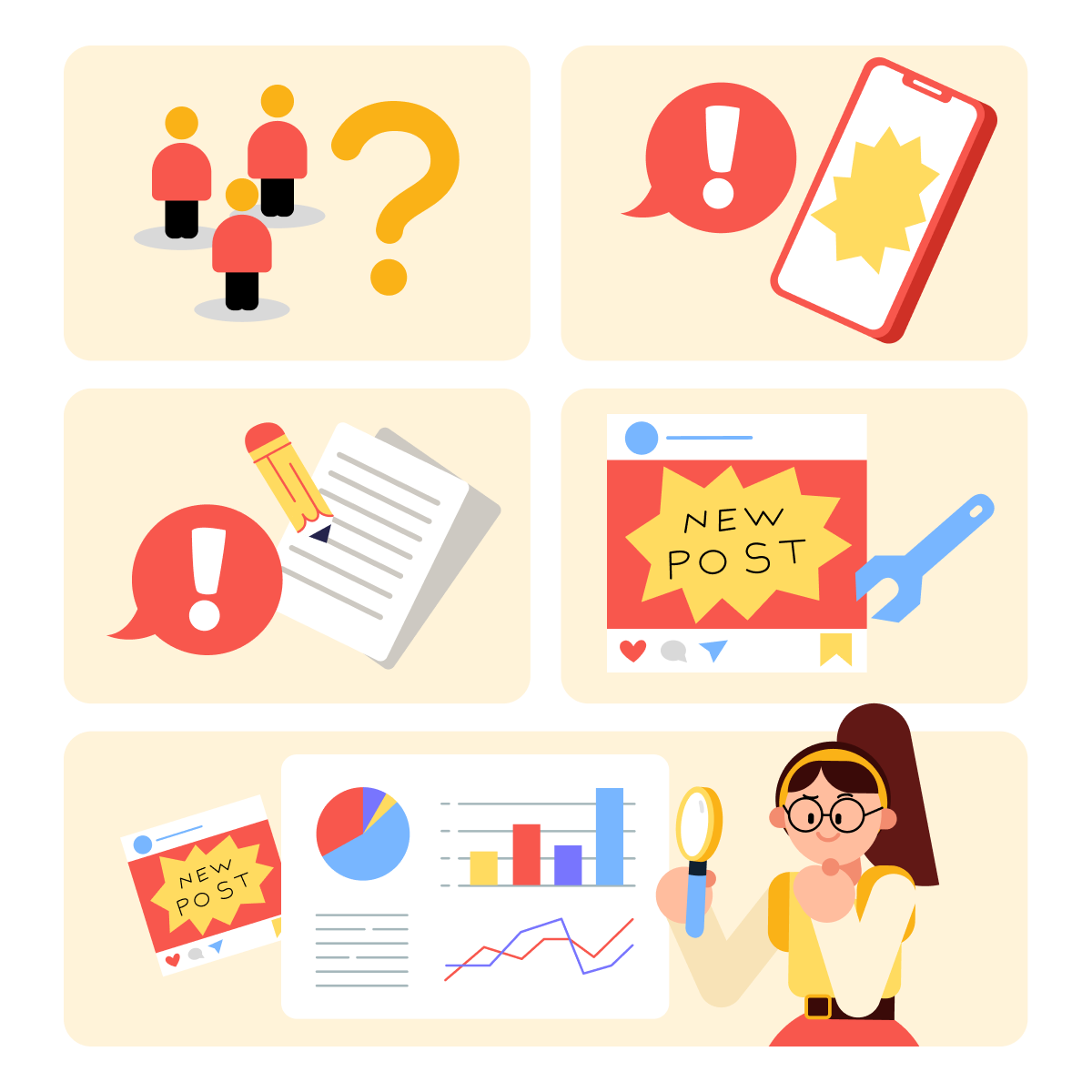
Think of your social media marketing as a five-stage process:
1. Understand: Who is your audience? What do they care about?
2. Strategize: What should you say? On which platforms?
3. Create: How do you bring this message to life?
4. Optimize: What should you adjust before posting?
5. Analyze: What worked and why?
Strategy First, Content Second
Most of the work happens even before posting anything. First, you need to understand who your audience is, what they care about, and what actually motivates them.
This is where AI creates the biggest advantage: helping you make smarter decisions before anything goes live.
Let's see how this plays out in a real-world scenario with AI.
For audience understanding, you need signals from real conversations, reviews, and local behavior.
We'll use Perplexity for this task.
practice preview
Interactive practice
Fill in the blank
Ask Perplexity to analyze the audience of your neighborhood coffee shop.
AI Strategy by Platform
Once you have a clear understanding of your audience, AI helps you adapt your content for different platforms. Each platform plays its own role in how people discover, trust, and engage with your brand.
- Instagram — visual storytelling through photos, Reels, and Stories
- Facebook — community building and conversation
- TikTok — short-form video content with strong discovery potential
- LinkedIn — professional networking and B2B connections
- Twitter/X — real-time opinions and news sharing
- YouTube — long-form content and long-term visibility
Repurposing Content
Coffee Shop A doesn't create content from scratch every time. They strategically reuse and repurpose — with AI's help.
Take one blog post: "5 Signs You're Drinking Bad Coffee." AI helps Coffee Shop A transform it into:
- A carousel post with one sign per slide for Instagram
- A one-minute video on TikTok
- A discussion post asking followers to share their coffee pet peeves on Facebook
- A LinkedIn article about quality standards in small food businesses
One core idea, four different formats, each optimized for its platform.
Let's say we want to turn it into a carousel. The initial post looks like this:
5 Signs You’re Drinking Bad Coffee
"If your coffee tastes burnt or bitter, feels watery, upsets your stomach, loses flavor too quickly, or you need multiple cups to wake up, it's a warning. Bad beans or poor brewing are usually the cause. Switch to fresh, quality coffee for a better start."
practice preview
Interactive practice
Fill in the blank
Now, let's use AI to quickly structure a carousel from this piece of content.
This repurposing approach works because it multiplies the impact of every strategic decision you make.
Instead of constantly starting from zero, you let AI help you adapt what already works — saving time, reducing burnout, and keeping your message consistent across platforms.
That’s how strong brands stay visible without posting just to stay busy.
This purpose goes beyond content efficiency. When used strategically, social media becomes a core business tool — not just a publishing channel. Used well, it drives measurable business results.
Successful businesses use social media strategically to:
- Communicate directly with customers and respond in real time
- Market cost-effectively without relying on large ad budgets
- Build brand awareness through consistent, recognizable messaging
- Drive sales by promoting offers and products intentionally
- Understand customers through comments, messages, and feedback
practice preview
Interactive practice
True / False
Does this sound like a strong or a weak strategy?
Your Path Forward
Well done! You've now seen the difference between using AI in SMM and using it well.
When two businesses have access to the same tools, results aren't decided by effort or frequency — they're decided by strategy.

- Strategic AI use starts with understanding and planning, not content creation.
- The five-stage workflow includes understanding, strategizing, creating, optimizing, and analyzing.
- Platform differences matter — adapt your message for each space.
What's Next?
In the next lesson, you'll learn how to use AI to uncover who your audience is, what motivates them, and how they speak, so every piece of content you create resonates from the start.
Let's keep going!