Stable Diffusion · Stable Diffusions Techniques
Style
Add the right mood, texture, and artistic vibe
How To Style?
Style can transform a basic concept by giving it the right mood, texture, and artistic vibe. Let's dive into how to apply and experiment with styles in your prompts!
Choosing the Right Style
The style refers to the artistic approach or visual theme of the image. This can range from impressionist to pop art, or even more complex styles like hyperrealistic, fantasy or dark art.
When you use style keywords in your prompt, they guide the AI to generate images with the right artistic flair. Let's take a look at an example.
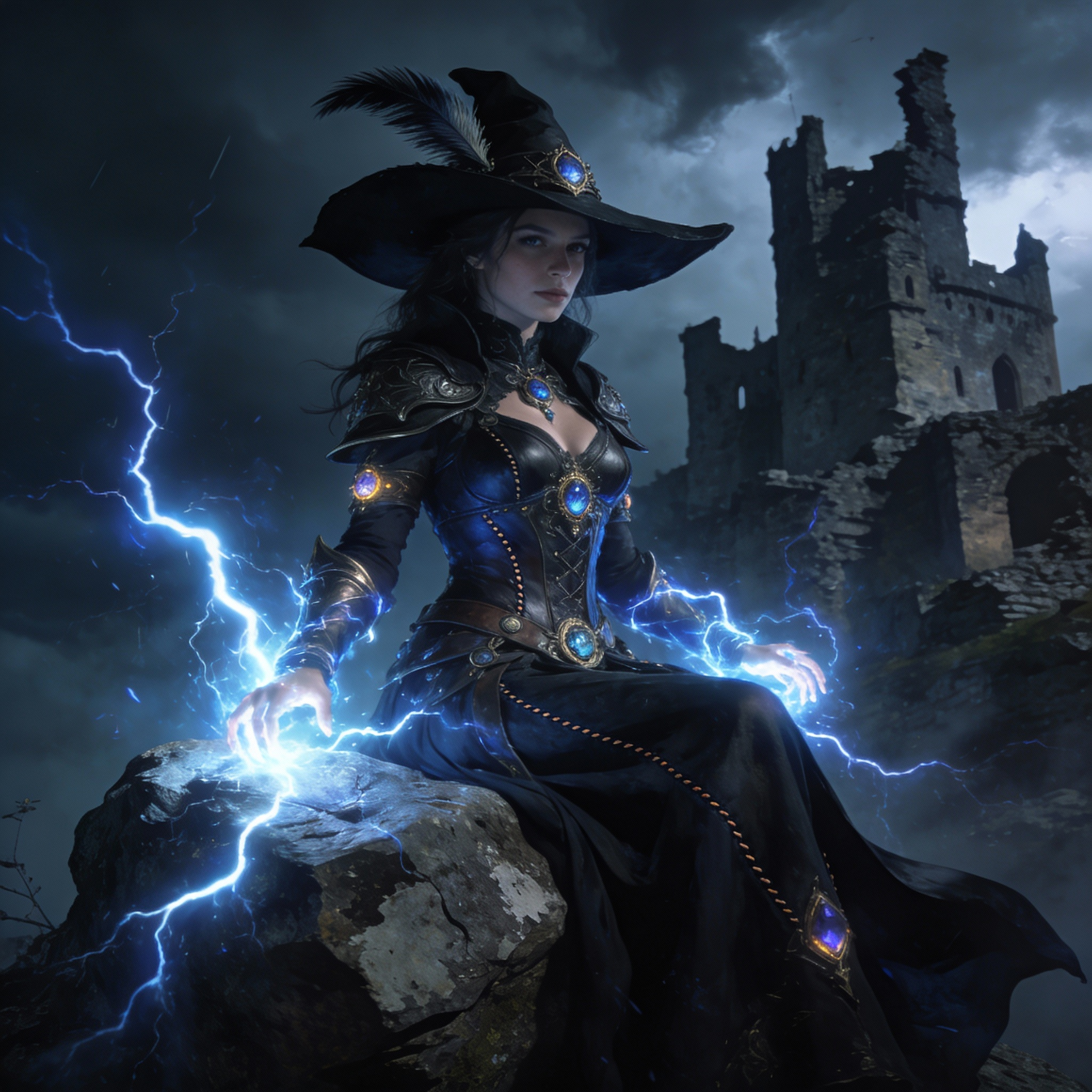
Take this prompt: "A beautiful and powerful mysterious magician, sitting on a rock, lightning magic, hat, detailed leather clothing with gemstones, dress, castle background, digital art, hyperrealistic, fantasy, dark art."
With the addition of "hyperrealistic, fantasy, and dark art," the image becomes more intense, moody, and visually detailed. It now conveys a darker and more mysterious atmosphere.
Next, let's explore some popular styles:
- Realism: Aims to represent subject matter truthfully.
- Surrealism: Juxtaposes uncommon imagery for dream-like scenes.
- Pop art: Uses popular imagery from mass media and culture.
You can also reference specific artists or works. "In the style of Picasso's Blue Period" or "reminiscent of Warhol's pop art portraits".
practice preview
Interactive practice
Fill in the blank
Add style keywords to refine the artistic tone of the prompt.
How Style and Medium Differ
You might wonder how Style and Medium are so similar; why do we need them both?
Here is the trick: while style is about the artistic mood and tone (like pop art, surrealism, or hyperrealism), the medium refers to the method or material used to create the artwork (like digital painting, watercolor, or charcoal). Together, they shape how your image looks and feels, but they serve different purposes.
For example, a digital painting can be made in a hyperrealistic style. A watercolor can be done in a fantasy style.
The medium defines the visual technique, while the style brings the artistic mood.
practice preview
Interactive practice
Fill in the blank
Choose the best medium and style combination for the given prompt.
Popular Styles for Prompts
Here are some commonly used style keywords and their effects on the generated image.
- Hyperrealistic: Adds extreme detail and resolution, making the image look lifelike.
- Pop art: Bright, bold colors with a playful, cartoonish vibe.
- Modernism: Emphasizes high contrast and vibrant colors.
- Art Nouveau: Adds intricate ornaments and flowing lines, often used in decorative art
These styles let you create visually stunning images based on your artistic preferences.
practice preview
Interactive practice
Fill in the blank
Choose the right style for the following prompt.
Blending Styles for Unique Results
You can combine multiple styles to create a unique visual experience. For example, blending hyperrealistic with fantasy or mixing pop art with modernism can give your image a fresh, creative spin.
practice preview
Interactive practice
Fill in the blank
Combine two different styles to create a unique image.
Choose one
What effect does adding hyperrealistic to your prompt have on the final image?
Tips for Using Styles Effectively
Ready to give your prompts a glow-up? Here are some best practices when adding styles to your input.
1. Be detailed and specific when describing the subject and style.
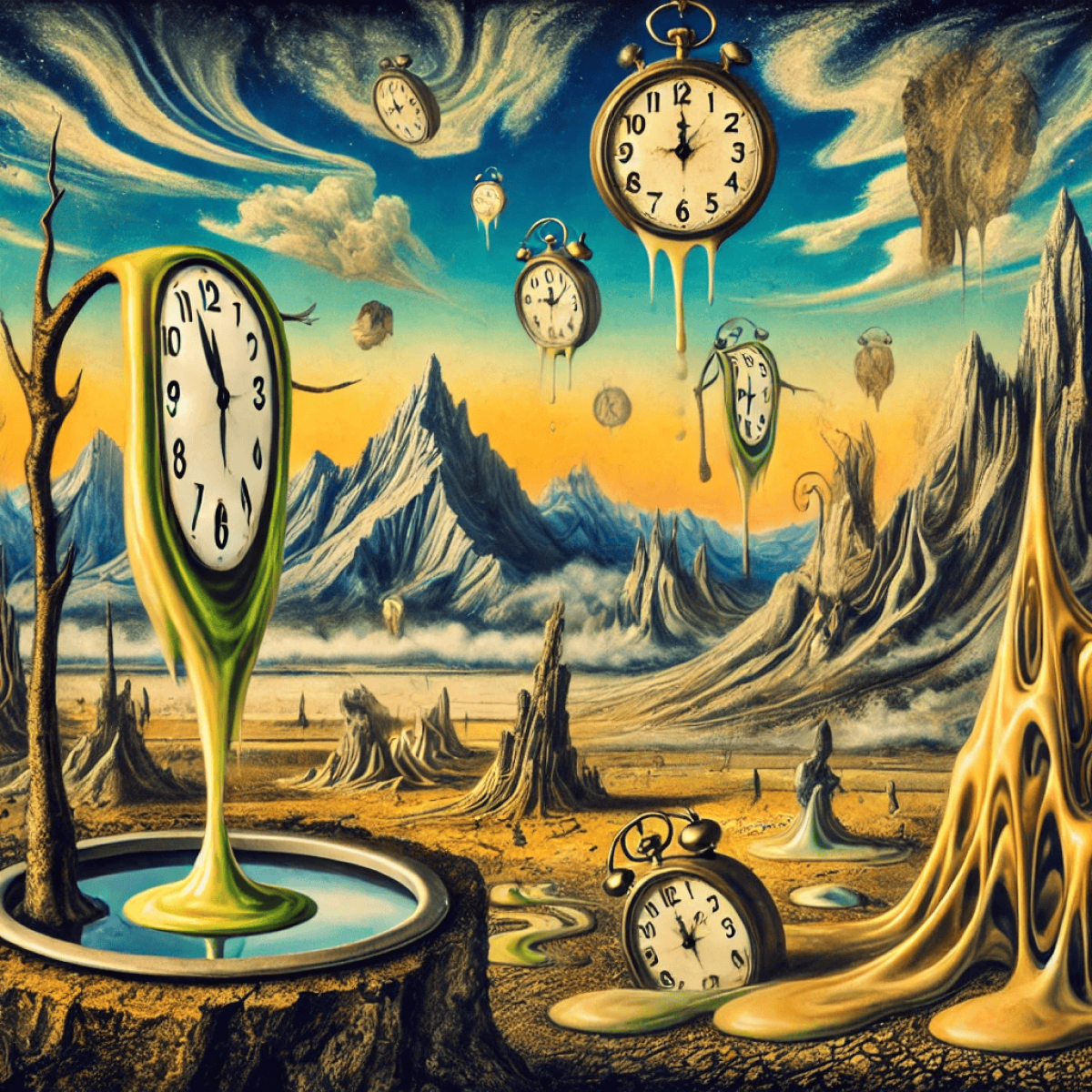
Instead of just saying "in a surrealist style," try "in the surrealist style of Salvador Dali, with melting clocks and dream-like landscapes."
2. Match the medium to the style.
For example, if you're using a photograph, avoid requesting styles like Van Gogh, which are associated with painting. However, don't be afraid to experiment with blending multiple styles!

Let's Sum Up!
In this lesson, you've learned:
- How different style keywords can shape the artistic tone of your image
- The importance of experimenting with and blending styles
- How styles and mediums work together to shape your visual results
Remember, the more you experiment, the more creative control you'll have!