AI for Business Operations · Leading Smarter with AI
The Power of AI for Management
Turn overwhelm into strategic AI collaboration
Leadership Isn't What It Used to Be
"I've spent years developing my skills and leadership instincts, but now everybody talks about AI like it's the future of work. Where does that leave me? Can AI make my judgment obsolete, or can it actually make me a better leader?"
Does that sound familiar? Have you ever thought about something like that? Well, AI isn't here to replace your leadership — it's here to amplify it. To achieve this, you need to know how to work with it, and that's exactly what you're going to learn in this course!
The Control Problem
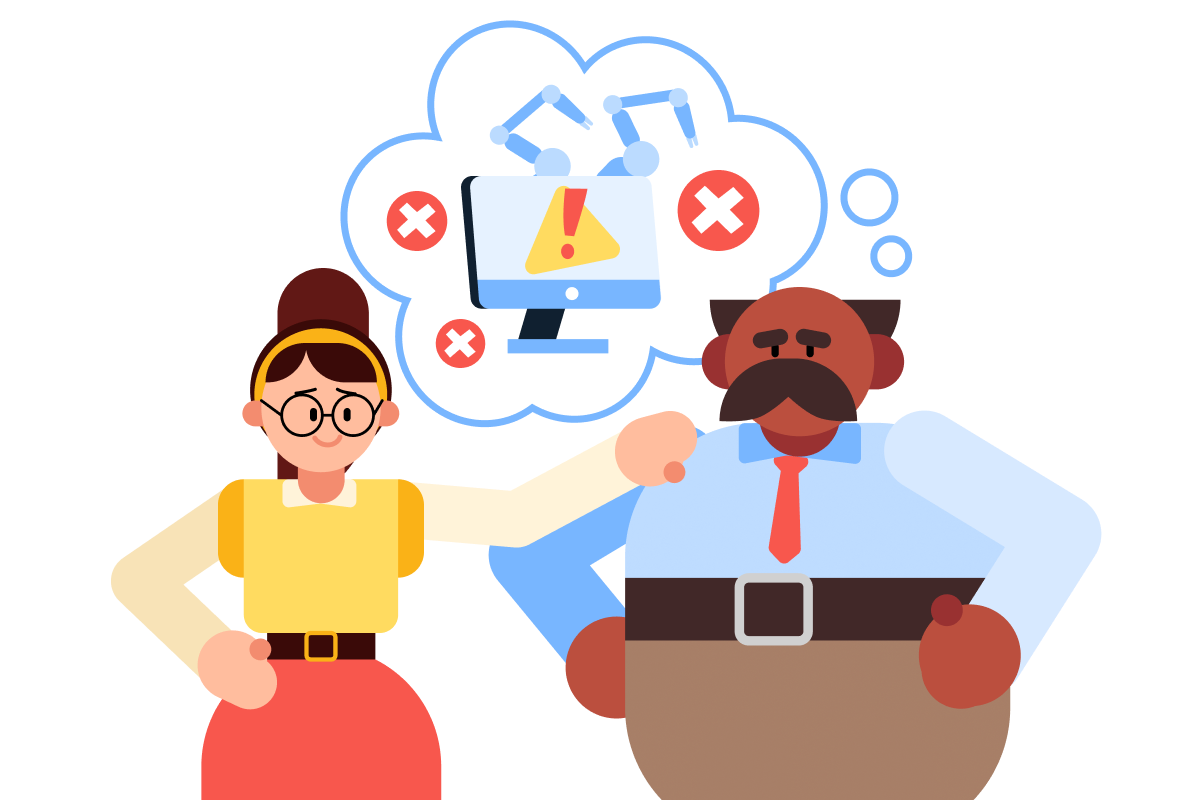
Traditional leadership was built on control. You directed tasks, monitored execution, and made decisions based on information that flowed up to you.
That model is breaking down, and the reason isn't that the leaders aren't capable. It's because the volume and complexity of decisions have exploded beyond what a single person can process alone.
Choose one
Think about a typical week. What part of the decision-making process do you think frustrates most people right now?
This is where the old leadership model fails. You can't solve a time problem by working harder or delegating more tasks to people.
You need something that can process complexity at scale, surface insights you'd miss, and free up your cognitive bandwidth for the decisions that truly need human judgment.
That's not about control anymore — it's about collaboration with intelligent systems.
From Directing to Orchestrating
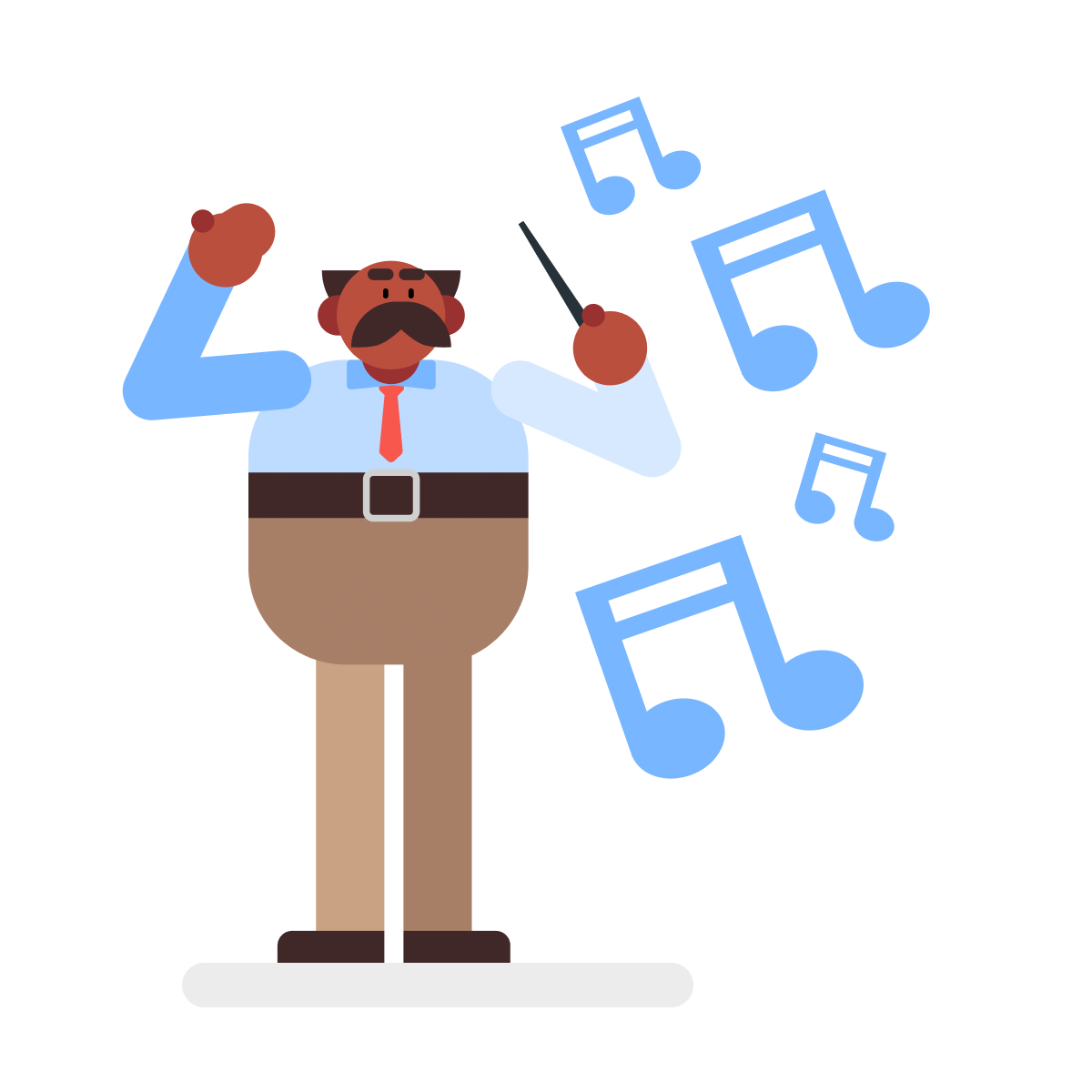
Imagine conducting an orchestra. You don't play every instrument yourself. Instead, you set the vision and make the critical interpretive decisions, while each section handles its specialized work.
With AI, it's the same — you use different AI tools for different purposes and maximize your efficiency.
Select all that apply
In your opinion, which leadership tasks could AI help amplify?
Meet Claude
Let's see how this works in practice with Claude — an AI assistant designed for complex thinking and analysis.
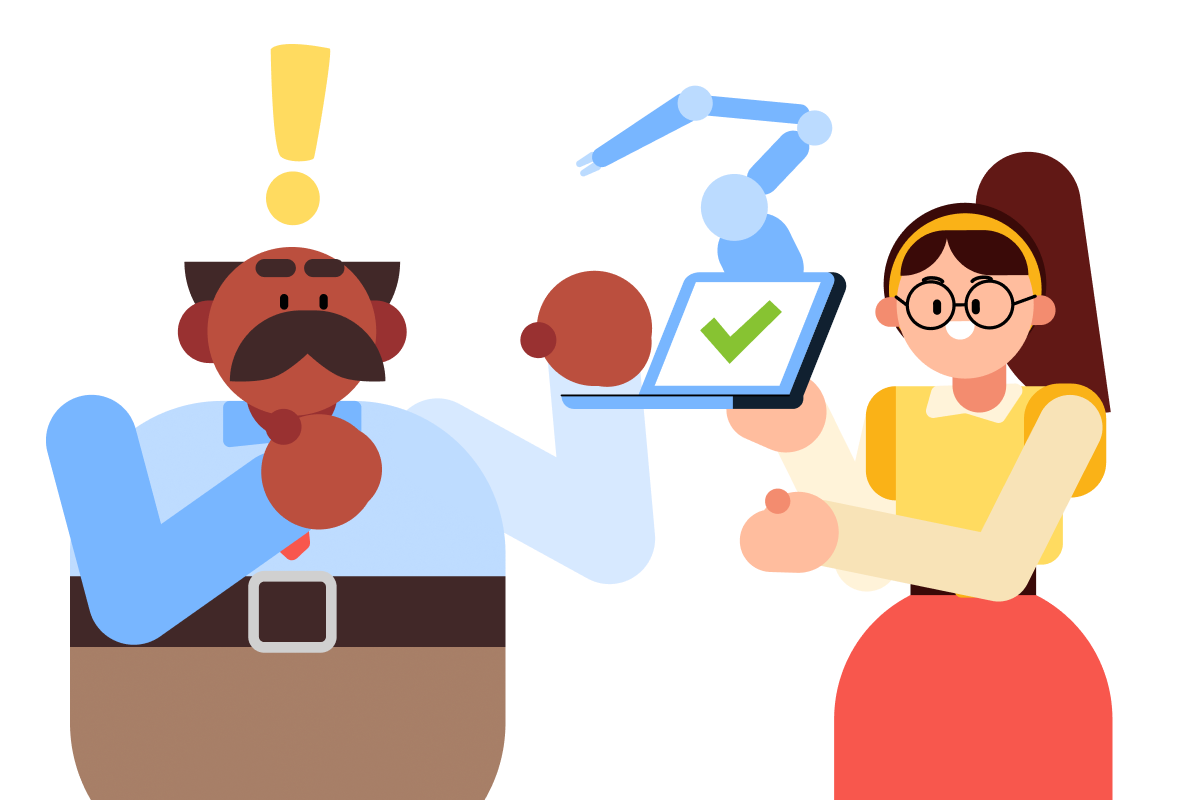
This tool works best when you treat it like a strategic thinking partner — someone you'd brainstorm with, test ideas against, or ask to analyze something from a different angle.
The key difference? Claude can process information at scale and respond instantly, but it still needs your direction, context, and judgment to be useful.
Choose one
What's the best way to start if you want to understand where Claude fits into your leadership role?
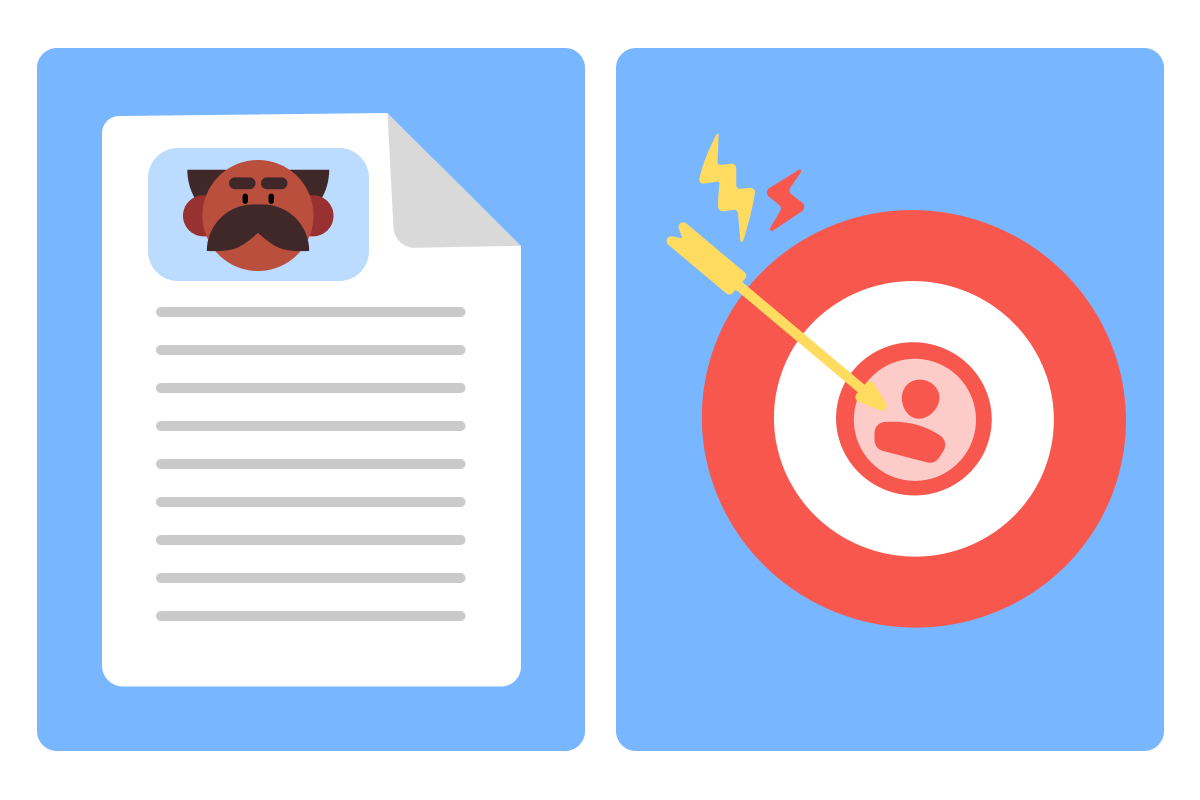
To do this analysis, you'll need two things:
- Your job description (or a clear summary of your responsibilities)
- Your current goals or key priorities
Once these are ready, you can send them to Claude — it will analyze where it can genuinely help and where it would get in the way!
practice preview
Interactive practice
Fill in the blank
Paste the job description and goals into Claude, then ask it to analyze where AI fits.
Choose one
Looking at this analysis, what makes it valuable for your leadership practice?
Building Your AI Integration Roadmap
The audit gives you raw analysis, but now you need to turn it into something actionable — a simple roadmap that guides your daily AI use.
Your roadmap should answer three questions:
- What tasks do I delegate to AI?
- What tasks do I keep entirely human-led?
- What's my workflow for each AI-assisted task?
This turns abstract categories into concrete practices you can implement immediately.
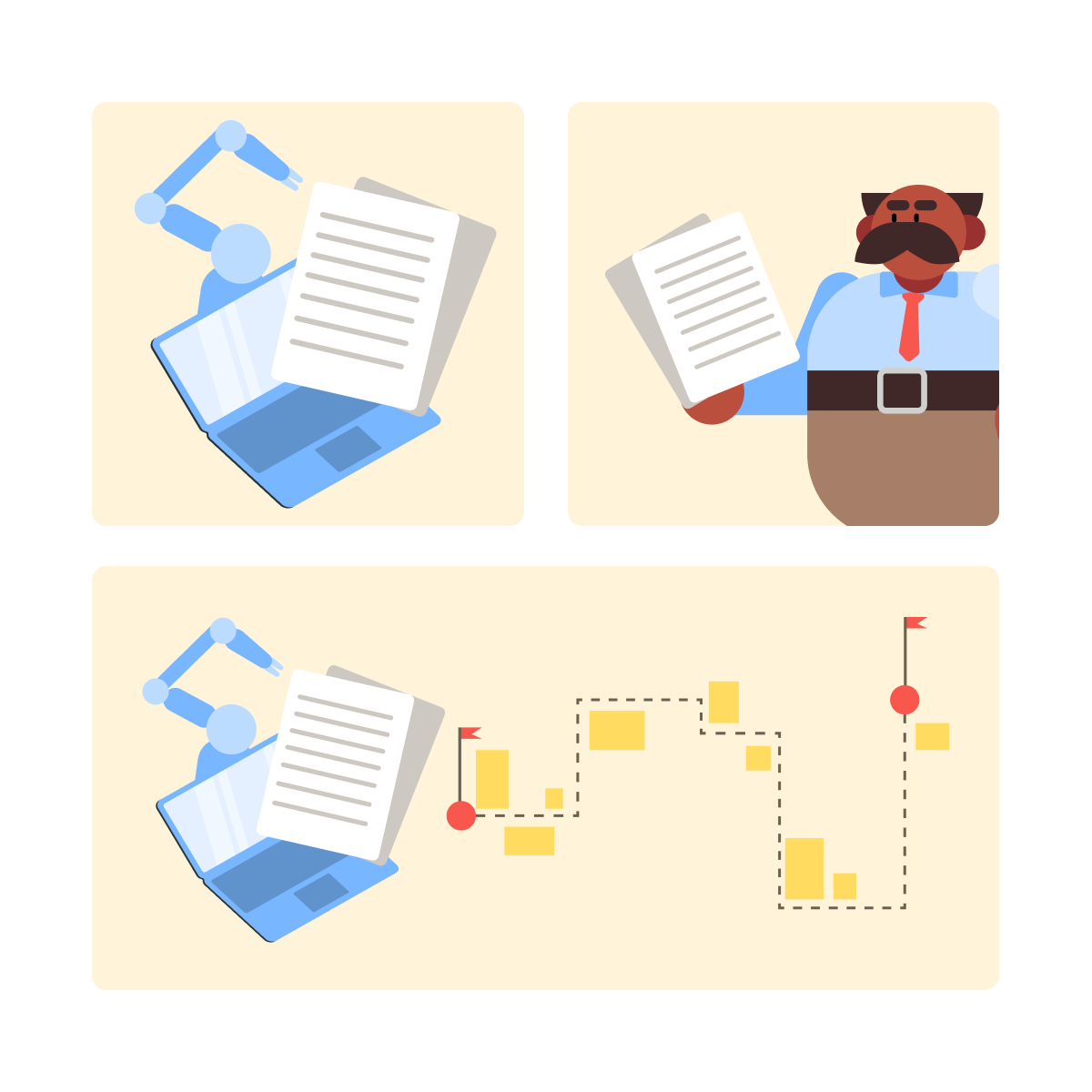
Let's refine the audit results into a practical roadmap you can reference daily.
practice preview
Interactive practice
Fill in the blank
See how you can ask Claude to convert the audit analysis into a structured workflow guide by completing the prompt.
Choose one
Now that you have a roadmap, what's the smartest way to implement it?
The Thinking Partner vs. Doing Engine Framework
Before moving forward, have you noticed Claude mentioning the thinking and doing zones?
Actually, these are the two main modes of using AI, and understanding the difference between them is very important.
- Thinking Partner: AI helps you think better — surfacing insights, testing assumptions, generating scenarios, and expanding your perspective before you make decisions.
- Doing Engine: AI executes defined tasks — drafting documents, analyzing data, summarizing meetings, or formatting presentations based on clear instructions you provide.
practice preview
Interactive practice
True / False
Given what you learned, decide whether each use case represents "Thinking Partner" or "Doing Engine" mode.
Most leaders only use AI in Doing Engine mode — treating it like a faster assistant for tasks they've already decided to do.
However, the real leverage comes from knowing how to use it both ways — without neglecting one or the other.
For example, as you saw from the two examples above, using Claude as a Thinking Partner can improve the quality of your decisions before you commit to execution.
So, remember: effective use of AI means knowing when to use AI for thinking and when to use it for doing.
You've Built Your Foundation
You just learned how to shift from controlling tasks to orchestrating intelligence — the fundamental mindset change that makes AI valuable for leadership.
Now you have a personalized roadmap showing exactly where AI amplifies your work and where your human judgment remains essential!
- Modern leadership is about orchestrating intelligence, not just directing tasks.
- Run a Leadership Impact Audit to map where AI acts as a Thinking Partner vs. where human judgment stays essential.
- Build an AI Integration Roadmap with specific workflows for AI-assisted tasks.
- Start with one Thinking Partner workflow this week — prove the value before expanding.
In the next lesson, you'll learn to get real-time competitive intelligence and industry analysis in seconds instead of hours.
Let's keep building your AI leadership toolkit!